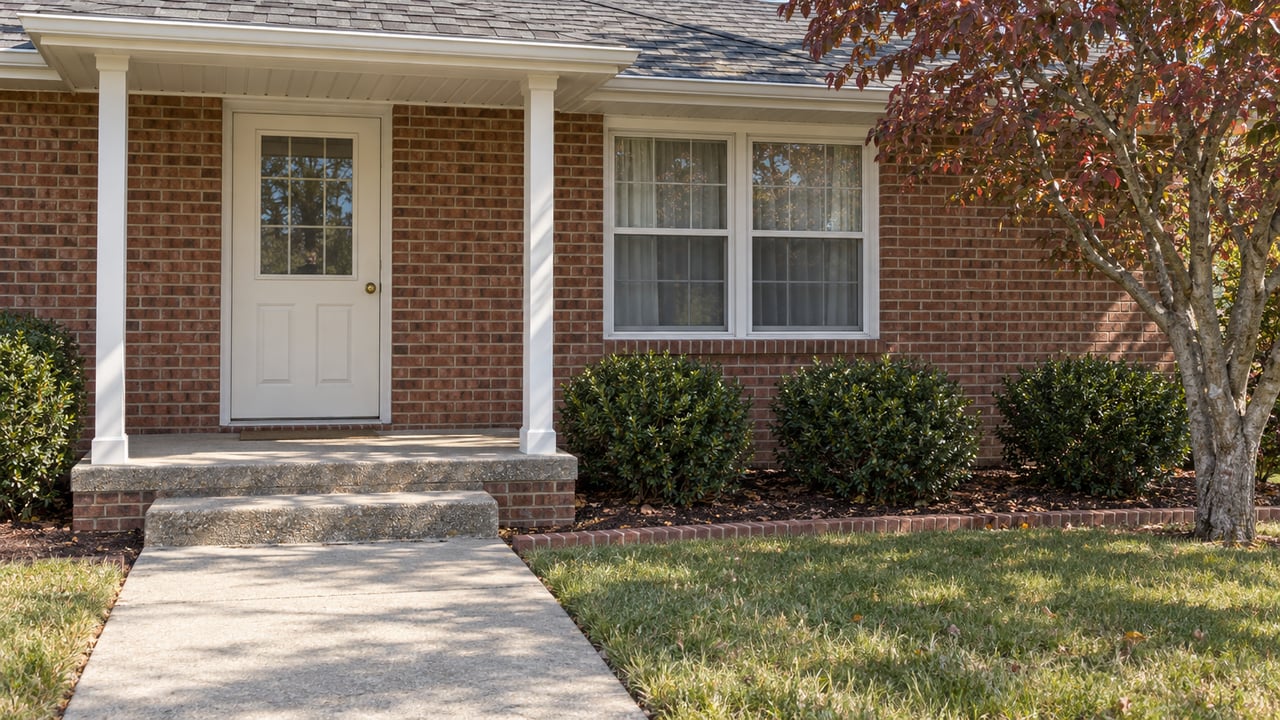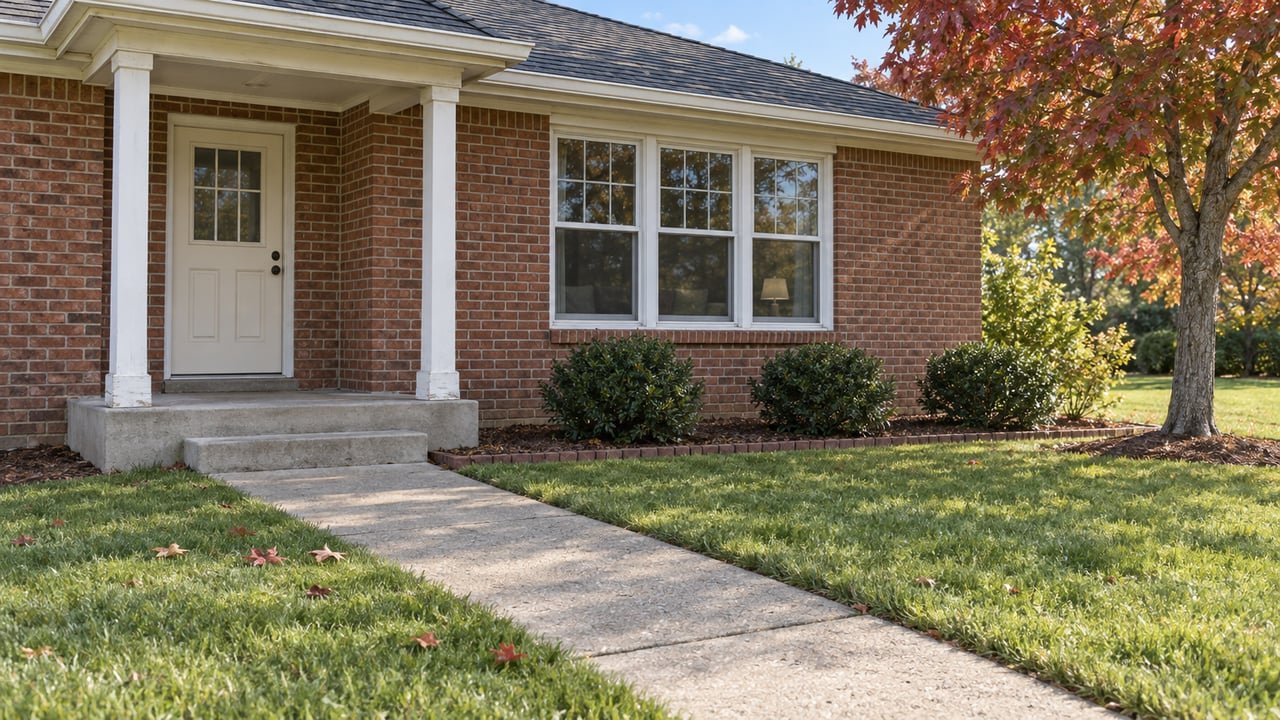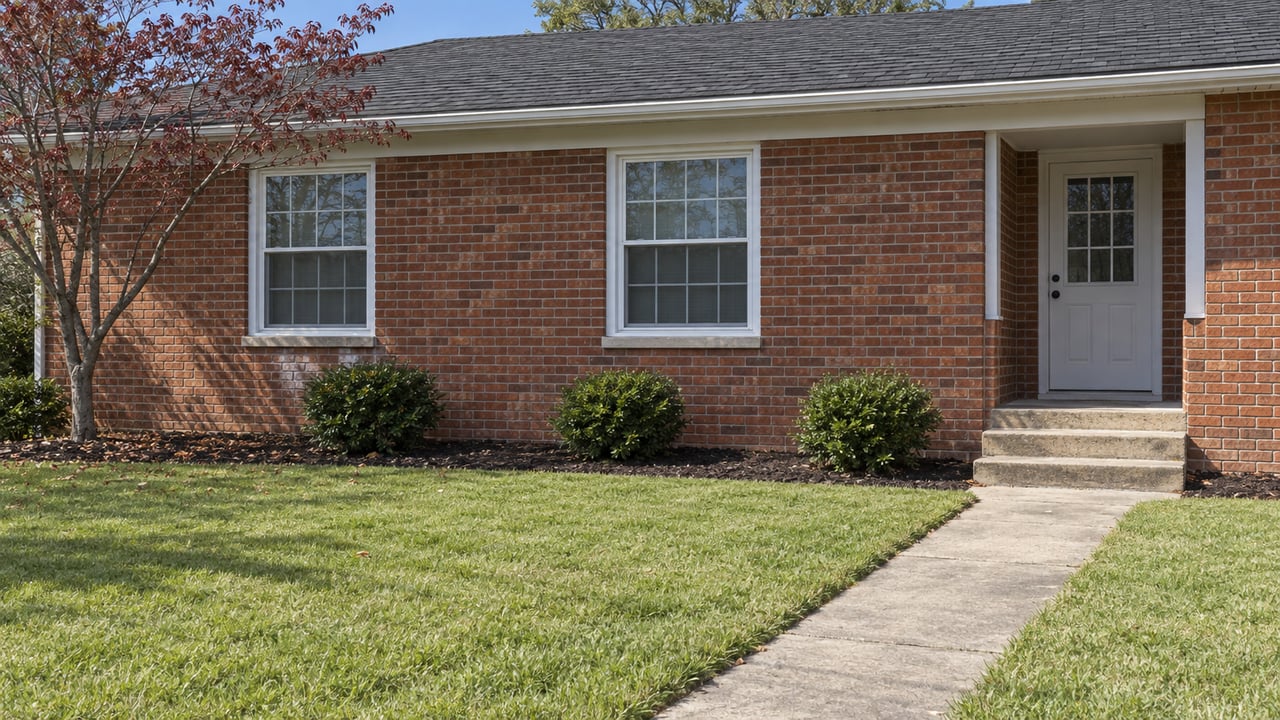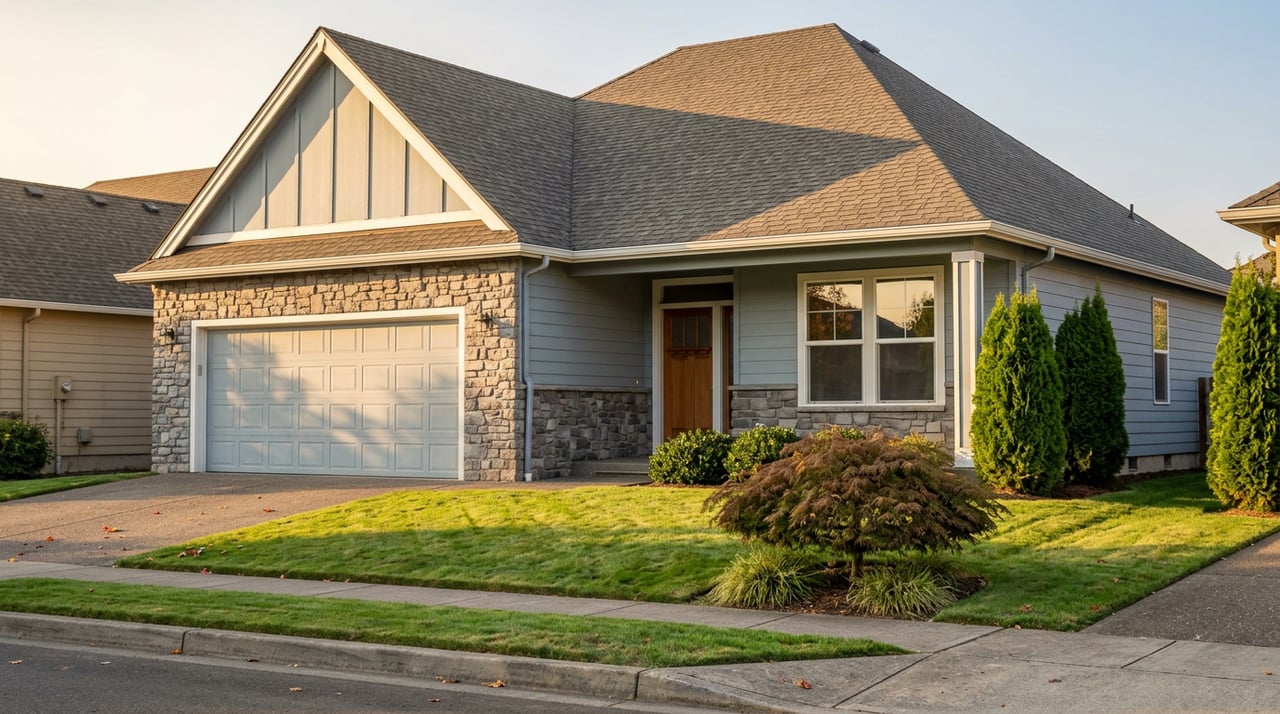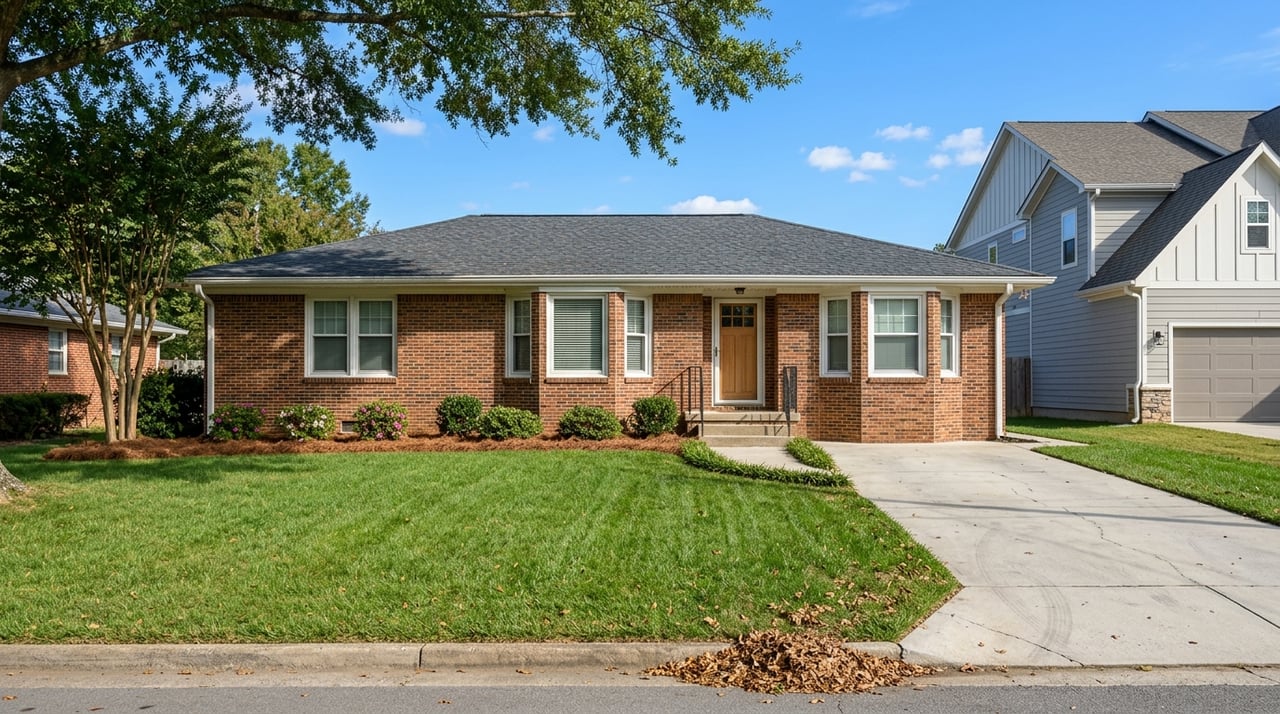
If you are trying to choose between an older neighborhood and a newer one in Cary, you are asking exactly the right question. In a town with a large housing market, rising home values, and very different development patterns from one area to the next, the feel of a neighborhood can shape your day-to-day life as much as the house itself. When you understand how established and new neighborhoods differ in Cary, you can narrow your search faster and make a more confident move. Let’s dive in.
Why this comparison matters in Cary
Cary is a large, mostly owner-occupied community with a 2024 population estimate of 182,659. The town also has a 66.6% owner-occupied housing rate, which helps explain why neighborhood choice matters so much for long-term lifestyle and resale planning.
Housing costs remain elevated across Cary. Zillow’s March 31, 2026 snapshot shows an average home value of $626,396, while the Census Bureau reports a median owner-occupied home value of $580,200. Homes are also moving at a steady pace, with Zillow reporting about 31 days to pending.
That means buyers often need to decide quickly, but thoughtfully. Comparing established and newer neighborhoods can help you focus on the tradeoffs that matter most, including layout, amenities, commute patterns, maintenance needs, and overall feel.
What established neighborhoods often offer
In Cary, established neighborhoods usually mean older street patterns, more variation in home styles, and closer-in access to daily destinations. These areas can feel more layered and less uniform than newer communities, especially near central Cary.
The town’s historic resources help show that older Cary has real architectural range. The Downtown Cary Historic District includes historic dwellings and the Old Cary High School building, with homes and structures reflecting the period from 1890 to 1945. The town notes a mix of modest residential styles alongside Queen Anne and Neoclassical Revival buildings.
For many buyers, that variety is the draw. You may find homes with more visible character, smaller-scale streets, and a setting that feels tied to Cary’s earlier growth.
Downtown Cary and walkable access
Downtown Cary is one of the clearest examples of established Cary appeal. The town highlights parking within a short walk of destinations, local shops and restaurants, community events, and the fare-free GoCary Downtown Loop.
If you want the option to walk, bike, or make short local trips without always relying on a car, central and downtown-adjacent areas can be especially appealing. Cary also emphasizes broader mobility choices across town, including bus, bike, walk, train, and driving options, along with more than 200 miles of greenways and on-road bike facilities.
More variation in homes and lots
Established neighborhoods often give you more variety in age, layout, and architecture. That can make your search more interesting, but it can also make apples-to-apples comparisons harder.
Cary’s housing plan shows how much the town’s housing has changed over time. Homes under 1,800 square feet made up 50% of units built before 1990, but only 10% of units built since 2010. In simple terms, older neighborhoods are more likely to include smaller homes and a wider mix of home sizes.
Older does not always mean fewer amenities
It is easy to assume established neighborhoods have less structure or fewer shared features, but that is not always true. Kildaire Farms is a strong example.
Started in the 1970s, Kildaire Farms is a 967-acre planned unit development that serves more than 1,100 homes. Its HOA describes a long-running network of trails, open green spaces, recreation facilities, architectural control, covenant enforcement, and community events. So in Cary, an older neighborhood can still come with organized amenities and an active HOA.
What newer neighborhoods often offer
Newer neighborhoods in Cary often center on planned growth, shared amenities, and regional connectivity. If you want a more predictable neighborhood layout, newer home systems, and a community designed around trails or club-style features, these areas may be a better fit.
Cary’s housing plan helps explain one of the biggest differences. The average size of new detached single-family homes has increased by almost 60% since the 1980s. The median detached single-family home in Cary is about 2,400 square feet, while attached single-family housing averages about 1,200 square feet per unit.
For buyers, that often translates into more interior space in newer detached homes. At the same time, larger homes do not always mean larger private yards, especially in more highly planned communities.
Master-planned amenities in West Cary
Amberly is one of Cary’s best-known master-planned examples. Planned in 1995, the community spans more than 1,100 acres and includes a possible 5,155 homes, along with about 75 acres of town-center commercial and office space.
Its amenity package includes a Residents’ Club, two outdoor pools, waterslides, a fitness center, walking trails, a gym, and clubhouse facilities. If you like the idea of built-in recreation and shared gathering spaces, this kind of newer community may check a lot of boxes.
Growth areas with long-term planning
Newer Cary growth is not just about subdivisions. It is also shaped by long-range land use and transportation planning.
The Carpenter Community Plan covers 475 acres in northwest Cary and lays out recommendations for parks, roads, sidewalks, and greenways. The plan describes the area as convenient to Research Triangle Park, Raleigh-Durham International Airport, and I-540, while envisioning a walkable Rural Village with shopping, dining, and entertainment plus a mix of housing types.
That matters if you want a neighborhood shaped by future connectivity as much as current housing. It also shows that newer areas in Cary can still reflect local design intent, rather than feeling purely generic.
The biggest tradeoffs to weigh
The choice between established and new neighborhoods in Cary is rarely about better or worse. It is usually about which tradeoffs fit your priorities.
Here is a simple way to think about it:
| Priority | Established Cary Neighborhoods | Newer Cary Neighborhoods |
|---|---|---|
| Home style | More architectural variety and older character | More consistent design and newer construction |
| Location pattern | Often closer-in and more connected to central Cary | Often built around planned growth in west and northwest Cary |
| Amenities | Varies widely, from lighter structure to established HOA amenities | Often stronger amenity packages and shared open space |
| Maintenance outlook | Older homes may need more updates or repairs | Newer systems may reduce near-term maintenance concerns |
| Commute style | Better for short local access and downtown-oriented mobility | Better for regional access to RTP, RDU, and I-540 |
One important note is maintenance. Cary’s housing plan says the town’s 1990s housing stock is beginning to need substantial improvements. If you are considering an established home, it is worth looking closely at condition, age of systems, and likely future projects.
On the other hand, newer neighborhoods often come with more HOA structure. That can be a plus if you value shared amenities and design consistency, but it can feel limiting if private autonomy is high on your list.
Price does not always follow age alone
It is tempting to assume older means less expensive and newer means more expensive, but Cary does not always work that way. Product type, location, and neighborhood context can matter just as much as the age of the community.
Realtor.com’s Cary market snapshot shows a median listing price of $599,000, with about 32 days on market. Neighborhood-level snapshots cited in the research show Amberly around $659,000 in median listing price and Cary Town Center around $625,000.
The takeaway is simple: you should compare neighborhoods based on what you are getting, not just whether they are older or newer. A central location, historic character, larger lot, attached product, or strong amenities can all influence price.
How to narrow your Cary search
If you are feeling stuck, start with your daily routine instead of your dream-house checklist. The neighborhood that fits your habits usually becomes clearer once you focus on how you actually want to live.
Ask yourself:
- Do you want closer-in access to downtown Cary, shops, events, or short local trips?
- Do you want a newer home with more interior square footage?
- How important are trails, pools, club spaces, or organized recreation?
- Are you comfortable taking on future updates in exchange for character or location?
- Would you rather have more neighborhood structure, or more flexibility?
- Is your commute more local to Cary, or more regional toward RTP, RDU, or I-540?
Buyers who want historic character, smaller-scale streets, and closer-in walkability often start with downtown-adjacent and other established areas. Buyers who want newer systems, planned amenities, trail connectivity, and regional commute convenience often start in west or northwest Cary communities such as Amberly or Carpenter.
A smart approach for buyers in Cary
In a market where homes can go pending in about a month, clarity matters. The more clearly you define your must-haves around location, maintenance, square footage, amenities, and commute style, the easier it becomes to spot the right fit when a home hits the market.
This is especially true in Cary because the town has such a wide range of neighborhood types. An established area can offer charm, variation, and central access. A newer community can offer scale, amenities, and a more planned daily experience. The best choice is the one that supports how you want to live now and in the years ahead.
If you want help comparing established and newer neighborhoods in Cary, Rachel Greenwood can help you weigh the tradeoffs, narrow your options, and move forward with confidence.
FAQs
What is the difference between established and new neighborhoods in Cary?
- Established Cary neighborhoods often offer older street patterns, more architectural variety, and closer-in access, while newer Cary neighborhoods often offer larger homes, planned amenities, and stronger regional connectivity.
Are older Cary neighborhoods more walkable than newer ones?
- In many cases, yes. Downtown Cary and nearby established areas tend to offer more short-walk access to destinations, while newer areas often focus more on greenways, sidewalks, and regional road access.
Do newer Cary neighborhoods usually have bigger homes?
- Often, yes. Cary’s housing plan says the average size of new detached single-family homes has increased by almost 60% since the 1980s.
Do established Cary neighborhoods always have fewer amenities?
- No. Some established neighborhoods, such as Kildaire Farms, include extensive trails, green spaces, recreation facilities, and active HOA governance.
Are newer Cary neighborhoods better for commuting to RTP or RDU?
- They often can be, especially in west and northwest Cary. The Carpenter plan specifically highlights convenience to Research Triangle Park, Raleigh-Durham International Airport, and I-540.
Is it cheaper to buy in an older Cary neighborhood?
- Not always. In Cary, pricing depends on location, product type, amenities, and neighborhood context, not just whether the neighborhood is older or newer.
Recommended reading: Everyday Life In Cary’s Luxury Neighborhoods