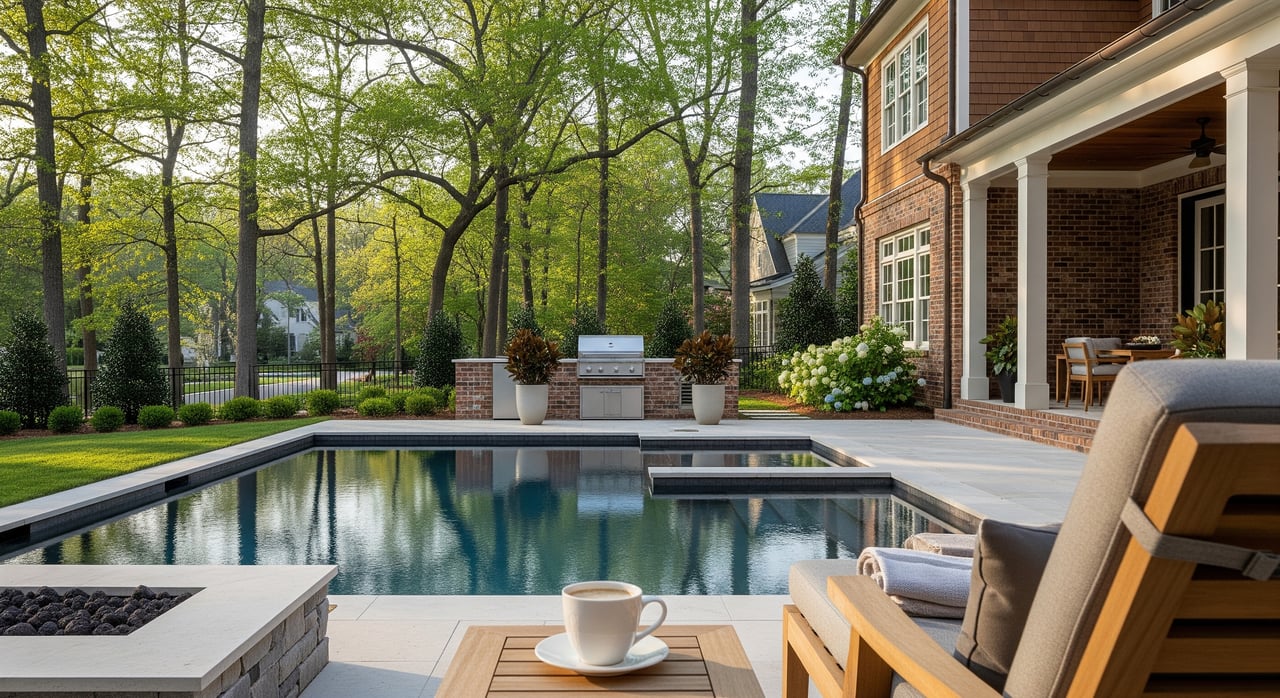
Wonder what a typical Tuesday feels like in Cary’s luxury neighborhoods? If you are relocating for work or moving up locally, you want to know more than bedroom counts and finishes. You want to picture your morning routine, commute, errands, and how weekends play out. This guide gives you a clear, day-to-day look at life across Cary’s higher-end communities, plus a practical checklist to help you choose with confidence. Let’s dive in.
What “luxury” looks like in Cary
Luxury in Cary is less about a single style and more about a mix of settings that fit different priorities. You will see golf and country club communities with on-site dining and event calendars, amenity-rich planned neighborhoods with pools and trails, lakefront or greenway-adjacent streets, and custom or estate areas with larger parcels.
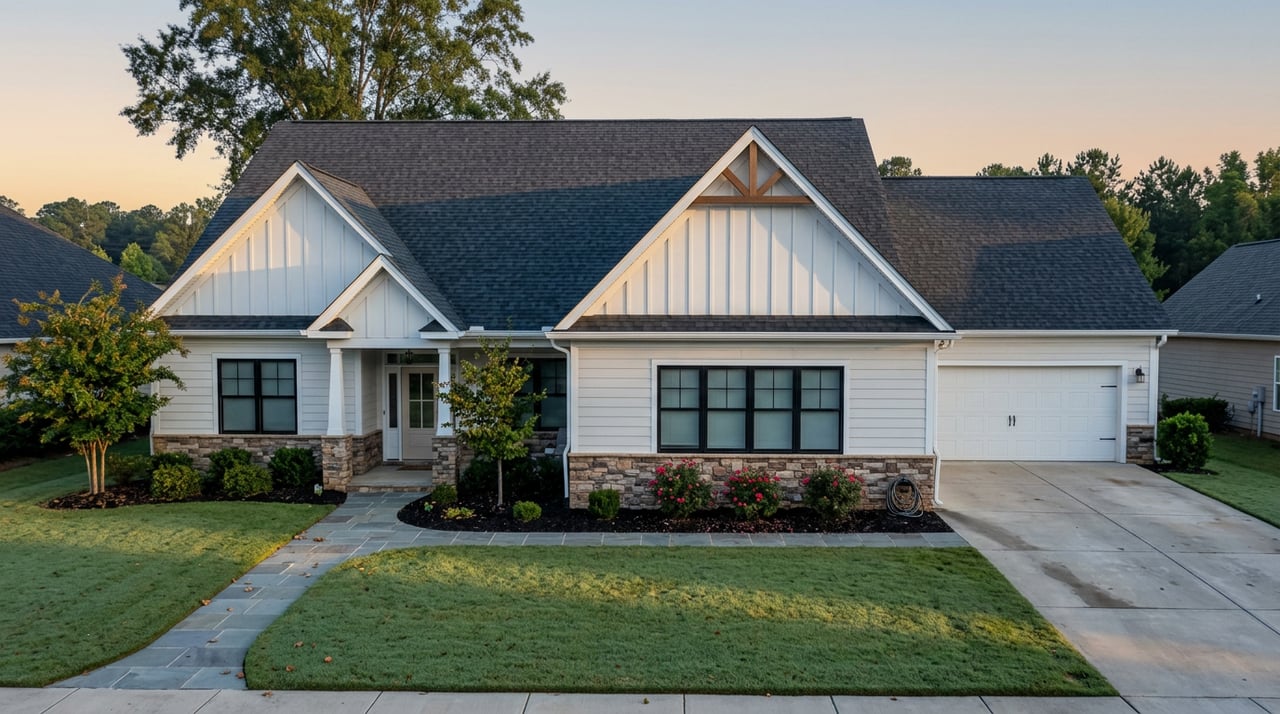
Across these areas, common traits include larger or custom homes, higher per-square-foot prices than the town overall, professionally managed HOAs, and access to private or semi-private amenities like pools, tennis, and fitness. Many communities sit near major employers, good roadway access, and public or private schools.
Local examples residents often mention include the Preston/Prestonwood area, Amberly, Lochmere, and MacGregor Downs. Each has its own HOA rules, amenities, and boundaries, so verify details for any home you consider.
Morning in Cary
Mornings often start with school drop-off. Public school assignments in Cary run through the Wake County Public School System, and exact schools depend on your address. Families who prefer private options also find choices in and around Cary.
If you like fresh air before work, many higher-end neighborhoods connect to Cary’s greenway network. Popular town spaces such as Bond Park and Hemlock Bluffs Nature Preserve draw walkers, runners, and nature lovers. Quick coffee stops and errands fit easily into the loop thanks to nearby retail and village centers.
Commute and work rhythms
Most residents drive. Proximity to I-40, US-1, and US-64 shapes your commute to Research Triangle Park, downtown Raleigh, or Durham. Regional buses through GoTriangle and local routes via GoCary are available, though luxury subdivisions tend to be car-oriented. Raleigh-Durham International Airport is the main commercial airport for Cary and is a short drive compared with many metro areas.
If commute time is a priority, map a few sample addresses to your workplace during peak and off-peak hours. You will find tradeoffs: larger lots may sit farther from job centers, while mixed-use or infill locations often shorten the drive.
Midday dining and errands
You have options for a quick lunch or a sit-down meeting. Downtown Cary features a growing mix of independent and regional restaurants, cafés, bakeries, and wine bars. Around town, planned communities often include nearby shopping, salons, and services, so you can handle dry cleaning, groceries, and appointments without crossing town. For a special night out or client dinner, Raleigh’s dining scene and restaurants around RTP are a short trip.
Afternoon to evening
After school, many families head to club facilities or local programs. Golf, tennis, fitness classes, and youth activities keep calendars full. The Town of Cary offers leagues, cultural programming, and seasonal events that bring neighbors together. On weekends, larger destinations such as William B. Umstead State Park and Jordan Lake are easy drives for hiking, boating, or picnics.
Mobility and walkability
Walkability varies by neighborhood. You will find more walkable options near downtown Cary and select mixed-use centers. Many luxury subdivisions are lower density and vehicle-oriented, but they often include sidewalks, bike access, and greenway links for recreation.
Schools and childcare
Cary is served by the Wake County Public School System. School assignments are address-specific and can change over time, so always confirm with the district before you buy. Families also look at private and independent schools, including options located in Cary. Daycare, preschools, and enrichment studios are common near newer retail centers and within many master-planned communities.
Homeowner costs and practicalities
Buying in a luxury community means paying a premium relative to the town median. In addition to purchase price, plan for property taxes based on Wake County rates and your home’s assessed value. Insurance needs are similar to other single-family homes; waterfront or low-lying lots may require flood coverage per FEMA maps and lender guidance.
Many communities have HOAs with mandatory dues. Country clubs may require initiation fees and annual memberships for access to golf, tennis, or dining. Review covenants, conditions, and restrictions, amenity rules, and recent assessment history before you commit.
Larger homes and lots can require regular landscaping, pool service, and higher utilities. The Triangle has strong access to home services, but book ahead during peak seasons. Cary generally reports lower crime rates compared with national averages, and the town provides municipal services like trash, recycling, and stormwater; check schedules and any HOA-specific responsibilities.
Neighborhood snapshots
Here is a quick, neutral look at a few areas often mentioned by buyers and residents. Always confirm exact boundaries, HOAs, and membership options for any specific property.
- Preston/Prestonwood area: A broad footprint with golf and club amenities nearby, a range of home sizes, and convenient access to major roads.
- MacGregor Downs: Known for private club facilities and a scenic setting with established homes and mature landscapes.
- Amberly: A large, amenity-rich planned community with pools, trails, and village-style retail close by.
- Lochmere: Lakes, trails, and community recreation set a relaxed, outdoorsy tone near daily conveniences.
Buyer checklist
Use this quick list to focus your search and due diligence.
- Map your commute. Check peak and off-peak drive times to RTP, downtown Raleigh, Durham, and RDU.
- Confirm schools by address. Verify public school assignments with the district and review private options if needed.
- Walk the greenways. Visit the nearest park and trail access points to see how they fit your routine.
- Review HOA and club documents. Read CCRs, rules, budgets, and any recent or planned assessments; ask about initiation fees and dues.
- Check property taxes. Look up recent assessments and estimated annual taxes with the county.
- Assess maintenance. Ask for utility histories and a list of recent system updates; plan for landscaping and pool care if applicable.
- Visit at different times. Drive the area during morning, afternoon, and evening to gauge noise, traffic, and activity levels.
- Evaluate resale factors. Consider proximity to employment, schools, and unique amenities that support future demand.
Verify with local sources
For the most current details, consult these primary sources directly:
- Town of Cary Parks and Recreation for park features, greenway maps, and facility policies
- Wake County Public School System for school assignment and boundary maps
- GoCary and GoTriangle for bus routes and park-and-ride options
- Raleigh-Durham International Airport for flight and access information
- Wake County Tax Assessor and GIS for assessments, parcel data, and tax rates
- Cary Police Department or FBI crime data portals for crime statistics and trends
- HOA management companies and country club offices for rules, fees, and membership details
Ready to explore Cary options?
You deserve a smooth, informed search with a team that pairs warm, responsive service and proven results. Greenwood Collective is a woman-led Compass team with high-touch operations, social-forward marketing, and relocation expertise, including $60M in closed volume in 2023. Whether you want a golf community, a planned village setting, or a custom estate, we will help you compare neighborhoods, clarify tradeoffs, and move confidently. Have questions or want a neighborhood consult? Connect with Rachel Greenwood.
FAQs
How long is the commute from Cary luxury neighborhoods to RTP?
- Driving is most common; map your likely routes during peak and off-peak hours, since proximity to I-40 and US-1/US-64 heavily influences travel time.
Which public schools serve Cary’s luxury neighborhoods?
- Cary is served by Wake County Public School System, and assignments depend on your exact address; confirm with the district since boundaries can change.
Do Cary’s high-end neighborhoods have walkable shopping?
- Walkability varies; mixed-use and downtown areas offer more services nearby, while many subdivisions are car-oriented but often link to greenways for recreation.
What do HOAs and country clubs typically cost in Cary?
- Costs vary widely by community; review HOA budgets, rules, and any assessment history, and request current club initiation fees and annual dues before making an offer.
Is Cary considered safe for homeowners relocating to the area?
- Cary generally reports lower crime rates than national averages; review neighborhood-level data from official dashboards and speak with local police liaisons for context.
How close are Cary neighborhoods to parks and lakes?
- Many communities connect to Cary’s greenways and town parks, with larger destinations like Umstead State Park and Jordan Lake a short drive away.
Recommended reading: Comparing Established And New Neighborhoods In Cary