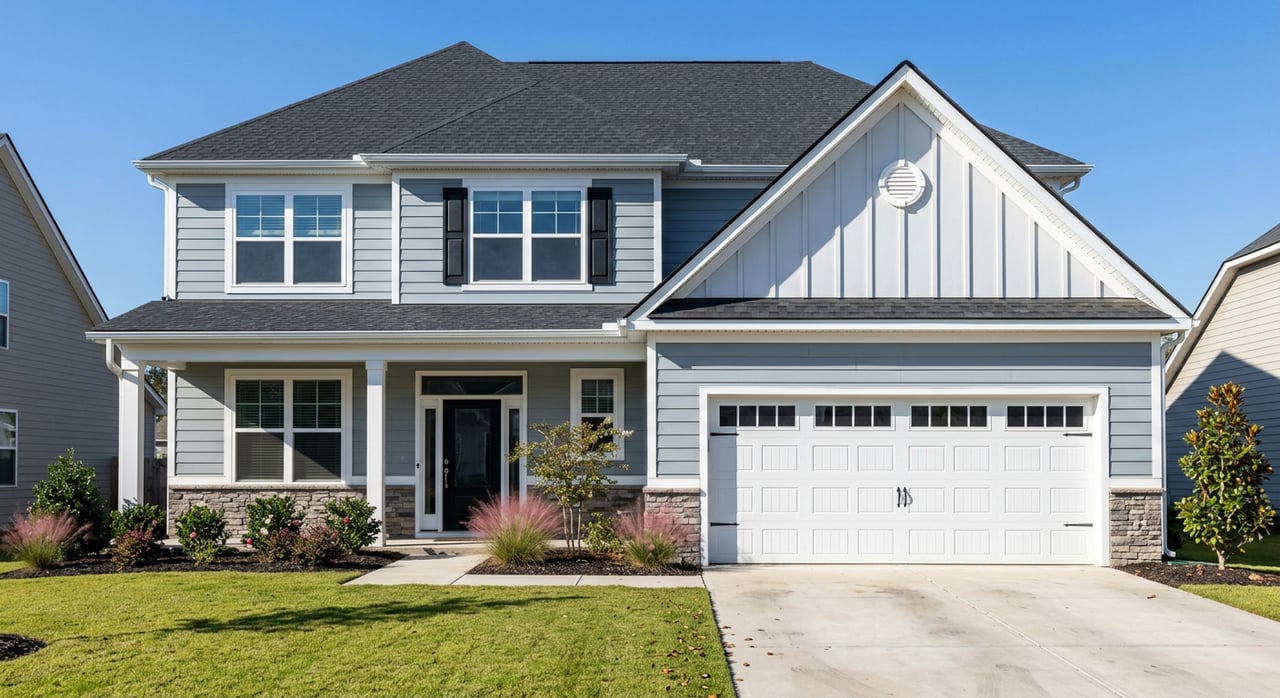
Thinking about trading Raleigh’s pace for a friendlier, small‑town feel without losing convenience? If you want parks, a real downtown, school options, and homes that fit different stages of life, Wake Forest checks a lot of boxes. In this guide, you’ll get a clear look at daily life, outdoor fun, schools, home types, price ranges, and commute tips so you can decide if it fits your family’s goals. Let’s dive in.
Wake Forest at a glance
Wake Forest sits just north of Raleigh, so you stay close to the Triangle’s job centers while enjoying a calmer setting. The town has grown from about 47,600 residents in 2020 to estimates in the mid‑50k range, reflecting steady demand and new neighborhoods. For a quick overview of location and growth, see the town’s profile on Wikipedia.
Marketwise, portals describe Wake Forest as a balanced market. As of late 2025 to early 2026, you will see different medians depending on the source and whether the data is listing or closed sale prices. Expect a median listing price reported around the mid‑$500ks and a median sale price reported nearer to the upper‑$400ks. Always confirm current numbers for your target neighborhood with a local MLS search, since prices shift month to month.
Typical commute time to central Raleigh runs about 20 to 40 minutes, depending on start and end points and traffic. If commute timing matters to you, test it during your usual work hours so you know what to expect.
Historic downtown with true character
Wake Forest’s historic core is a big part of its appeal. Brick storefronts along Main and White Street house coffee shops, boutiques, and local restaurants in rehabilitated buildings, protected by a town preservation program. If you value a walkable, small‑town setting with real roots, this district delivers. For preservation context and design standards, review the town’s Historic Property Handbook.
Downtown also makes it easy to plug into community life. The town hosts a Social District during approved events, and a weekly farmers market sets up behind Town Hall. The much‑loved “Friday Night on White” outdoor concert series turns downtown into a casual, family‑friendly block party. Check dates on the town’s Friday Night on White page before you go.
Parks, greenways, and everyday outdoors
Joyner Park highlights
E. Carroll Joyner Park is a centerpiece for family time. The 117‑acre site features restored farm buildings, a pecan grove, fishing, charcoal grills, and roughly three miles of paved trails, plus a broad amphitheater lawn that hosts town concerts. Get the full details on the Joyner Park page.
Greenways that connect
The town maintains about 15.5 miles of greenways with plans to expand. These paths connect neighborhoods to parks and offer practical routes for walking and biking. If safe, off‑street movement is a priority for your family, the system is a real asset. Explore maps and mileage on the town’s Greenways page.
Falls Lake weekends
A short drive from town, Falls Lake State Recreation Area is the Triangle’s primary water‑recreation hub. The reservoir spans 12,410 acres with swim beaches, boat ramps, campgrounds, and miles of trails. Many neighborhoods in and near Wake Forest highlight quick access for boating, hiking, or a simple lakeside picnic. Learn more about facilities and camping options through NC State Parks.
Community events that make it easy
If you like having built‑in weekend plans, Wake Forest delivers. “Friday Night on White” draws families downtown for music and food trucks. The Wake Forest Farmers Market runs weekly. Each spring, the Wake Forest Area Chamber hosts the Meet in the Street arts and crafts festival. For current festival details and vendor info, visit the Chamber’s Meet in the Street page.
These recurring events make it simple to meet neighbors, support local businesses, and ease into a new hometown rhythm.
Schools and learning options
Wake Forest is served primarily by the Wake County Public School System (WCPSS). The town includes multiple public elementary and middle schools, and at least two comprehensive high schools that serve local neighborhoods: Wake Forest High School and Heritage High School. You will also find several charter and private options in and near town.
Attendance boundaries and program offerings can change, so it is best to verify current zones and enrollment information directly with WCPSS and individual school websites. Use the school pages above to find contacts, calendars, and links to the district’s boundary tools.
Home types and price orientation
You will find a wide range of homes in Wake Forest, which makes it easier to match your budget and wish list.
Common home types include:
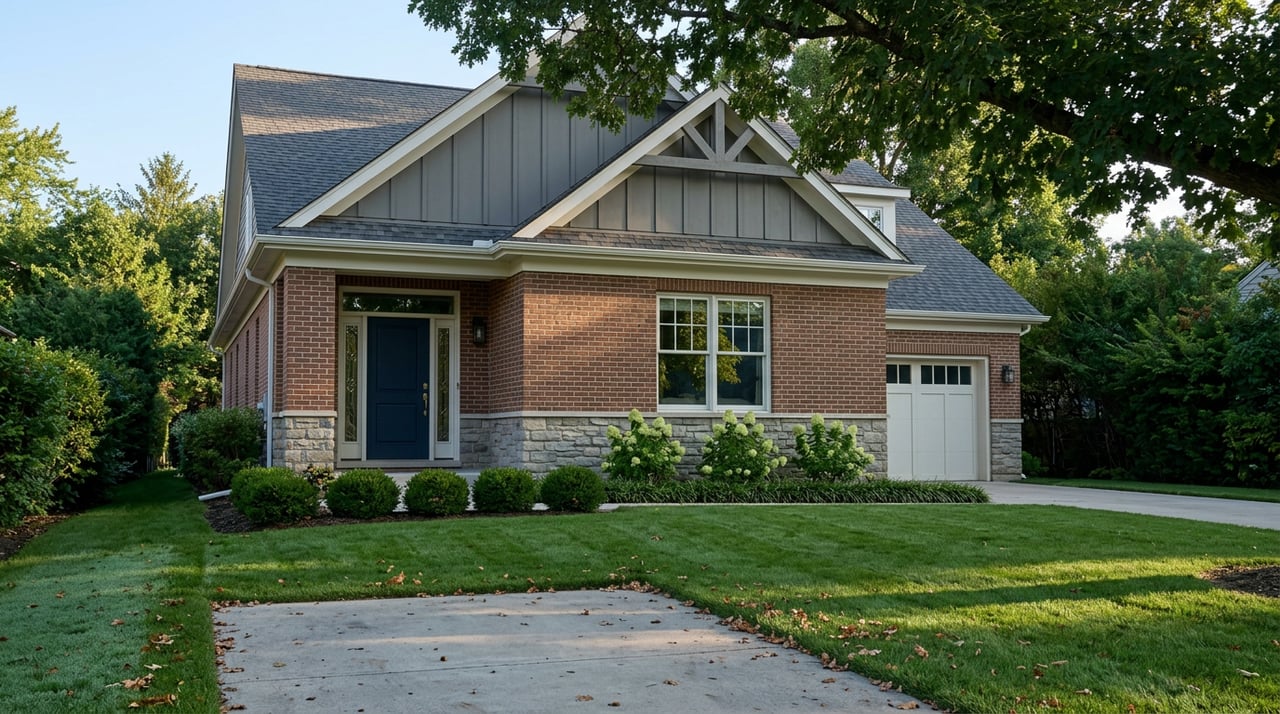
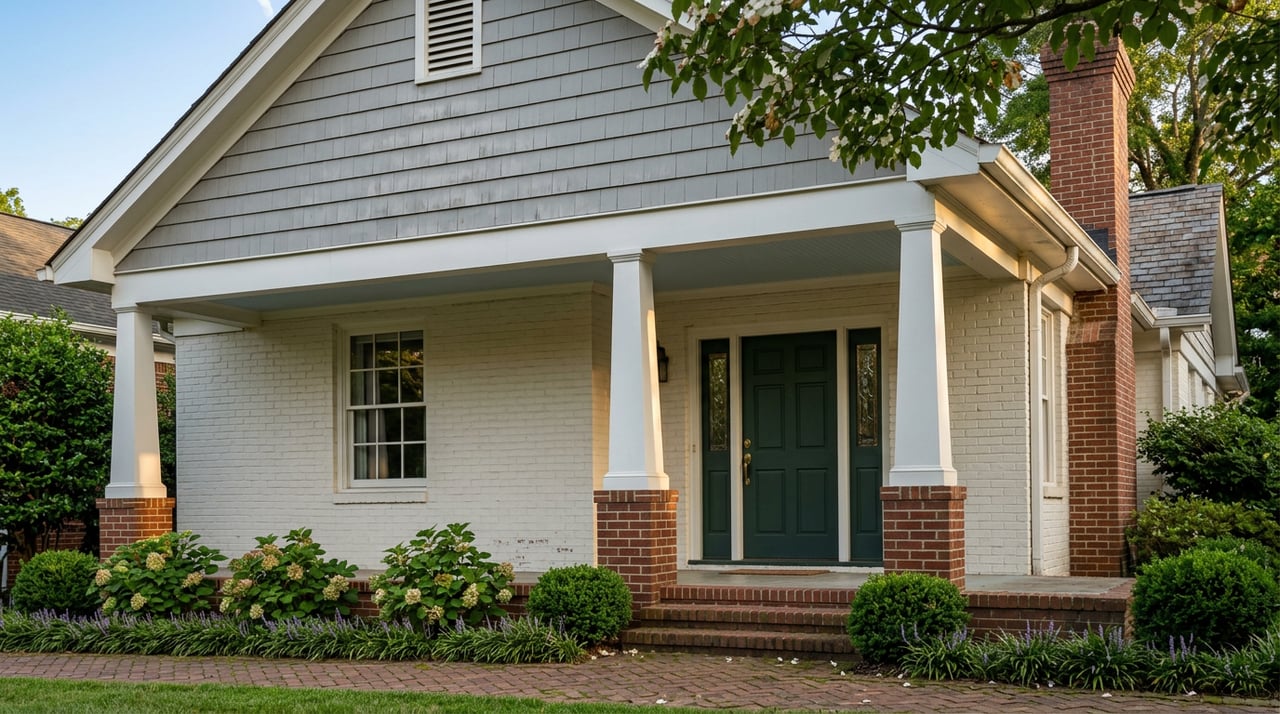
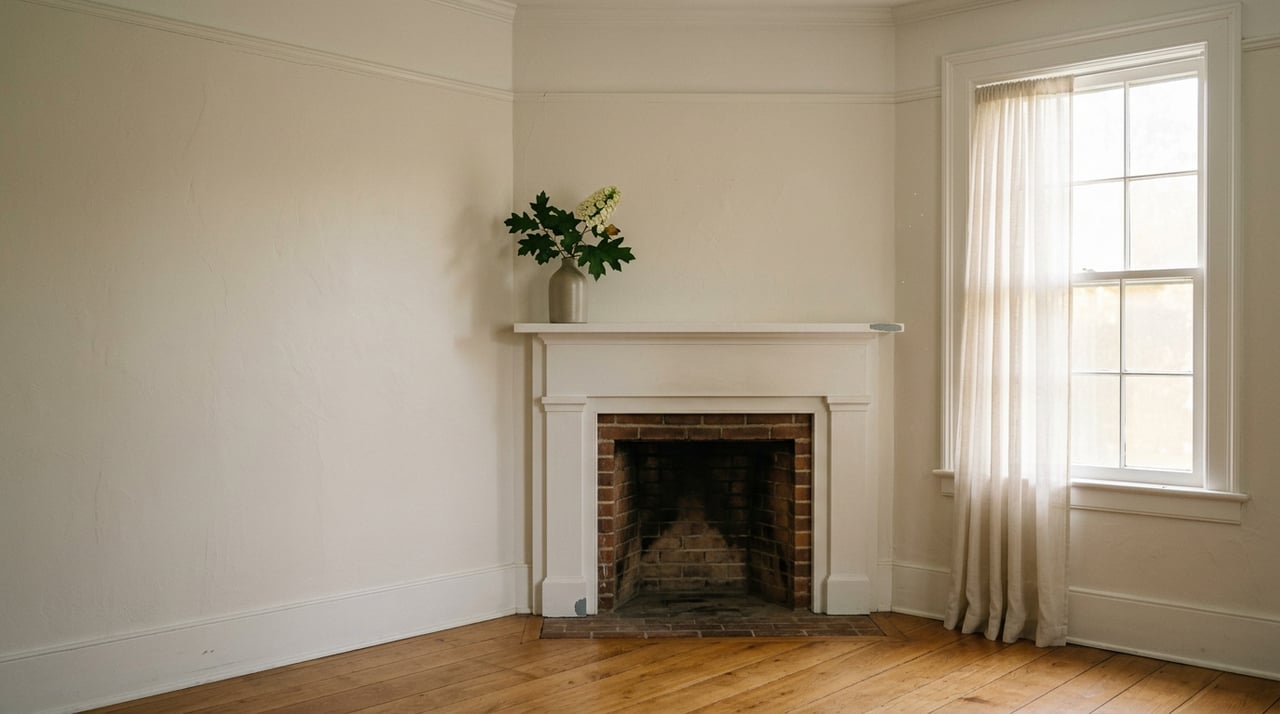
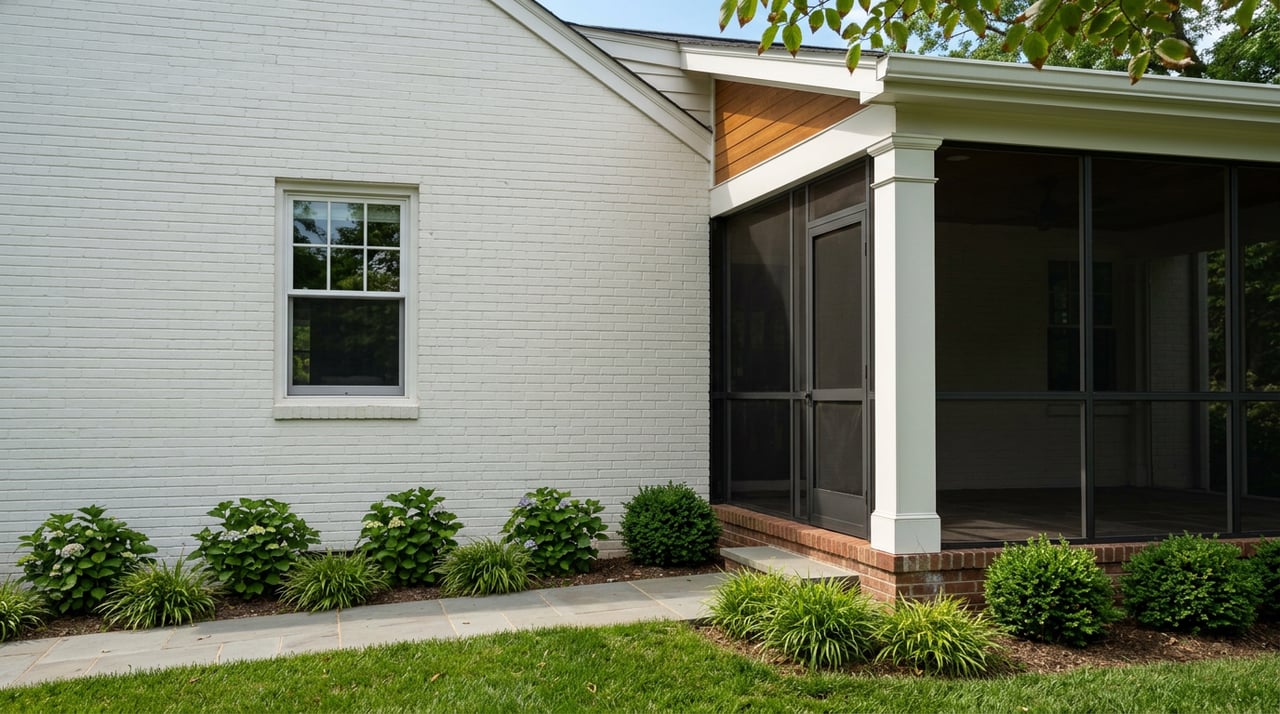
- Historic cottages and small bungalows near downtown, often with updated interiors and classic curb appeal.
- Suburban single‑family homes from the 1990s to today on modest lots, which make up much of the family market.
- New‑construction communities with a mix of townhomes and single‑family homes.
- Upper‑end homes in gated, golf, or amenity neighborhoods, plus larger lots or lake‑adjacent pockets near Falls Lake.
Typical price ranges seen on listing portals in 2025 to 2026 include:
- Entry‑level townhomes and smaller single‑family homes: roughly $300k to $400k.
- Most 3 to 5 bedroom family homes in mainstream subdivisions: roughly $400k to $700k, with price driven by age, size, lot, and nearby amenities.
- Upper‑end and luxury communities: roughly $700k to $1.5M and above in the most sought‑after pockets.
Portals also show the town described as a balanced market, with recent medians that differ by metric. As of late 2025 to early 2026, one portal reports a median listing price around the mid‑$500ks, while another shows a median sale price near the upper‑$400ks. This gap is normal because list and closed sale medians capture different points in the process and may reflect different date windows. For a specific neighborhood, ask your agent to pull current MLS data and on‑market comps.
Neighborhood signposts many buyers explore:
- Heritage and nearby subdivisions, which offer multiple phases of newer homes and community amenities.
- Traditions and surrounding new‑build pockets with trails and planned community features.
- Hasentree and select gated or golf neighborhoods that appeal to luxury buyers.
- Areas near Falls Lake that emphasize easy access to water recreation and trails.
Commute, errands, and daily flow
Wake Forest sits just north of the state capital, which helps you balance work in Raleigh with a quieter home base. Many residents report a 20 to 40 minute drive to central Raleigh depending on time of day, route, and destination. Test a morning and afternoon drive to confirm your timing.
For daily needs, downtown clusters local shops and restaurants, while larger shopping centers and services line major corridors. The town keeps residents updated on parks, facilities, and event schedules on its website, and it offers maps and details for trails, ballfields, and community centers across town.
Is Wake Forest the right fit?
Wake Forest tends to work well if you:
- Want a preserved historic downtown with local shops and regular events.
- Value parks, greenways, and short drives to hiking, boating, and camping.
- Prefer neighborhood variety, from renovated bungalows to new‑construction and luxury pockets.
- Need flexible school options within a large public district, with charter and private alternatives nearby.
- Like the idea of a balanced market with a range of homes between roughly $300k and $1M+.
- Plan to commute to Raleigh and want a realistic 20 to 40 minute drive, depending on your route and schedule.
Your next steps
The best way to decide is to experience Wake Forest in person. Grab coffee downtown, walk Joyner Park, sample a greenway, and plan a visit during Friday Night on White. Then tour a mix of neighborhoods and home styles at your price point to see what fits.
If you want a curated list of homes, a clear read on current pricing, or help mapping schools to neighborhoods, our team is here. Reach out to Rachel Greenwood for responsive, relationship‑driven guidance and on‑the‑ground insight into Wake Forest and the greater Triangle.
FAQs
What is Wake Forest known for?
- A preserved, walkable historic downtown, family‑friendly events, and easy access to parks, greenways, and Falls Lake for year‑round outdoor time.
How far is Wake Forest from downtown Raleigh during rush hour?
- Many commuters report 20 to 40 minutes depending on route and traffic, so test your typical drive times during your usual commute windows.
What outdoor recreation is nearby for families?
- Joyner Park’s 117 acres and paved trails, about 15.5 miles of town greenways, and the 12,410‑acre Falls Lake area with beaches, boat ramps, trails, and campgrounds. See Joyner Park, Greenways, and Falls Lake.
How do school assignments work in Wake Forest?
- Wake Forest is within WCPSS, and attendance boundaries can change, so check current details on school pages like Wake Forest High and Heritage High and verify with the district.
What are typical home prices in Wake Forest right now?
- As an orientation, portals show entry options around $300k to $400k, many family homes $400k to $700k, and upper‑end homes $700k to $1.5M+, with recent medians differing by listing versus sale data.
Which neighborhoods do families often explore first?
- Many buyers tour Heritage and Traditions for newer subdivisions, Hasentree for luxury living, and Falls Lake‑adjacent areas for recreation access, then compare prices and amenities by pocket.