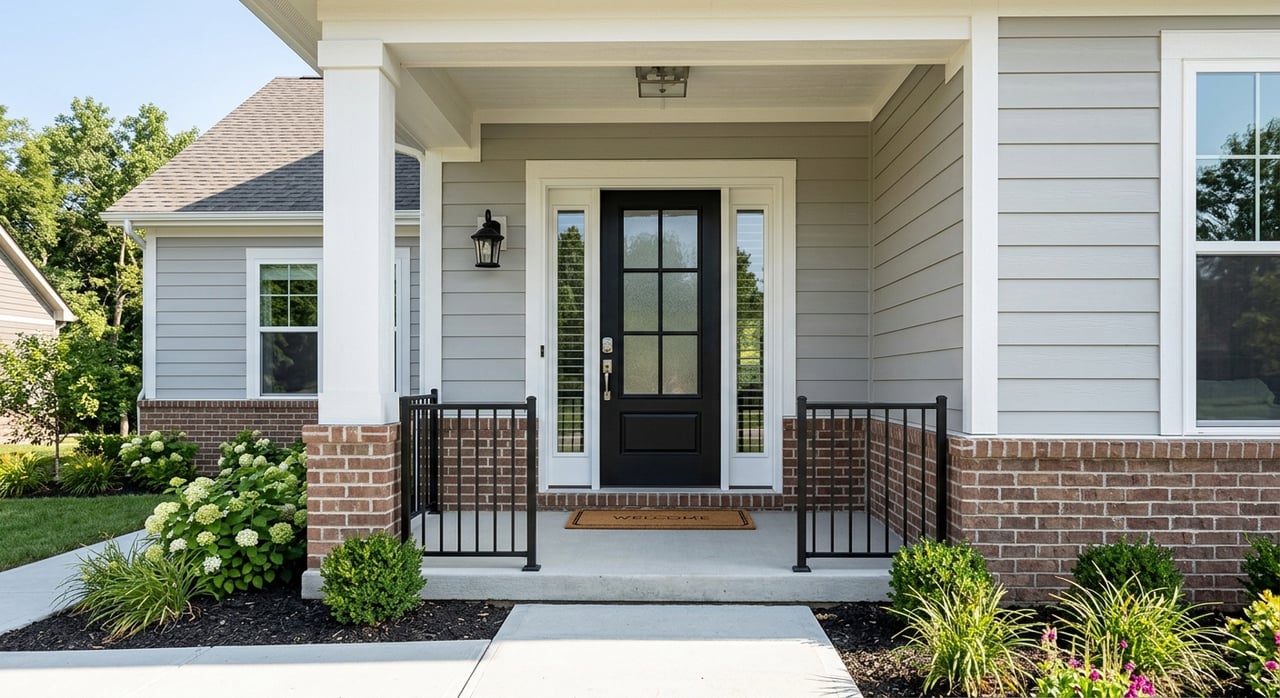
Buying a home from another state can feel like trying to solve a puzzle without all the pieces. If you are relocating to Raleigh or the greater Triangle, you may be balancing job timing, travel limits, and the pressure to make a smart decision without seeing every home in person. The good news is that remote homebuying can work well when you follow a clear process. In this guide, you will learn how to narrow your search, evaluate homes from afar, protect yourself in the offer and closing stages, and localize your move in Raleigh. Let’s dive in.
Why Raleigh Works for Remote Buyers
Raleigh is part of the broader Triangle, and the City of Raleigh describes the Raleigh-Durham-Chapel Hill Combined Statistical Area as one of the fastest-growing regions in the nation and a major technology and business hub. For you as a remote buyer, that regional perspective matters. It means your search may be more effective when you start with the metro area and then narrow by commute, budget, and home style instead of locking into one small area too early.
Travel access is another practical advantage. RDU Airport reported 15.5 million travelers in 2024 and is preparing to add more airlines and international routes in 2025. If you expect to visit once before closing, host family after the move, or split time between cities for a while, airport access can make your relocation much easier.
Your timeline may also shape your home search more than you expect. In a recent NAR member study, 71% of REALTORS® said their most recent buyer chose a location based on a job in the household, the median planned commute was 30 driving minutes, and 16% of buyers worked fully remote. That tells you something important: a successful remote move is usually not about finding a perfect house first. It is about finding the right fit for your work, routine, and long-term goals.
Start With a Search Framework
Remote homebuying gets easier when you create filters before you fall in love with a listing. Photos and polished marketing can pull your attention quickly, but your best decisions usually come from a repeatable process.
Start by defining the factors that matter most to your move, such as:
- Monthly budget
- Preferred home type
- Maximum commute time
- Need for airport access
- Space for remote work
- Move-in timeline
- Interest in resale versus new construction
This framework gives you a more grounded way to compare homes across Raleigh and the Triangle. It also helps you avoid overreacting to one beautiful kitchen or one especially strong video tour.
Use Commute and Lifestyle Filters First
If your household is moving for work, commute planning should be one of your first steps. NAR’s research shows that many buyers choose location around job needs and commute tolerance, so it makes sense to use that same logic when searching from afar.
Rather than asking, “Which neighborhood should we choose?” start with questions like these:
- How far are you comfortable driving on a typical workday?
- Will anyone in your household commute only a few days a week?
- Do you need quick access to RDU?
- Are you trying to stay within Raleigh city limits for a specific program or budget reason?
Those questions can help you narrow your search in a way that is practical, not just emotional.
Treat Virtual Tours as One Tool
Remote buyers often depend on virtual tours, video walkthroughs, and floor plans. That is helpful, but it should not be your only layer of due diligence.
NAR notes that AR and VR tours can give buyers a realistic sense of a home’s layout, design, and ambiance. NAR also points to the value of floor plans, supplemental tours, and video-based consultations. In other words, the best remote search process usually combines several tools rather than relying on listing photos alone.
What to Look for in a Remote Viewing
When reviewing a home virtually, focus on details that affect how you will actually live there.
Look closely at:
- Room-to-room flow
- Ceiling height and natural light
- Window placement
- Storage space
- Stair layout
- Exterior condition
- Lot shape and surrounding context
Floor plans can help you understand size and layout more clearly than photos alone. A video walkthrough can also reveal things still images may hide, such as transitions between rooms or how close neighboring homes sit.
What Virtual Tours Cannot Confirm
Even strong virtual content has limits. It may not fully show wear and tear, noise, odors, drainage concerns, or subtle maintenance issues.
That is why remote buyers should view virtual tours as a screening tool, not a substitute for inspection or careful review. A smart process protects you from making a major decision based only on presentation.
Build Safer Offers From Afar
Once you identify the right home, your offer terms matter just as much as the home itself. Remote buyers need a structure that protects both timing and risk.
The Consumer Financial Protection Bureau recommends making purchase offers contingent on financing and on a satisfactory inspection. It also advises getting an informal insurance estimate before committing and asking whether the home has previously flooded or been damaged. Those steps are especially important when you cannot personally investigate every detail before writing an offer.
A Simple Remote Offer Checklist
Before you submit an offer, compare each property using the same decision points:
- Purchase price and monthly payment fit
- Commute or travel practicality
- Inspection contingency
- Financing contingency
- Insurance estimate
- Flood or prior damage questions
- Long-term fit for your household
Using the same checklist each time can help you stay calm and objective. It also makes it easier to compare two homes that may look similar online but carry very different long-term costs.
Know the Extra Questions for New Construction
If you are deciding between resale and new construction, remote buying can make new homes look especially appealing. A clean finish, builder incentives, and a more predictable move-in timeline can all be attractive.
Still, the CFPB advises buyers of new construction to ask under what conditions a builder deposit can be returned. It also reminds buyers that they are not required to use the builder’s affiliated lender. If you are comparing options from another state, those two points can have a major impact on both flexibility and cost.
Compare Resale and New Build Carefully
Here is a simple way to think about it:
| Option | Potential Benefit | Key Question |
|---|---|---|
| Resale home | Established setting and existing condition to evaluate | What do inspection and insurance reveal? |
| New construction | New finishes and possible builder incentives | When is the deposit refundable, if at all? |
The right choice depends on your timing, comfort with uncertainty, and how much flexibility you need during the relocation process.
Prepare Early for a Remote Closing
Closing from another state is very doable, but it works best when you start early. Waiting until the last few days can create unnecessary stress.
According to the CFPB’s homebuying guidance, closing includes several third-party services, including title insurance and settlement services, and buyers may be able to choose some of those providers. The CFPB also says your Closing Disclosure must arrive three business days before closing. You can also request key documents in advance, including the promissory note, mortgage or deed of trust, and deed, so you have time to review them.
Protect Yourself From Wire Fraud
Wire fraud is one of the biggest risks in a remote transaction. The CFPB warns that scammers can pose as a real estate or settlement agent and send last-minute changes to wiring instructions.
A safer process includes a separate wire-verification step using a trusted, independently confirmed phone number. Do not rely only on an email thread if wiring instructions suddenly change.
Understand North Carolina Remote Notarization
One common question from out-of-state buyers is whether the entire closing can be handled electronically. In North Carolina, the answer depends on the exact notarial path and the platform used by your lender, closing attorney, or title company.
The North Carolina Secretary of State explains that an eNotary performs electronic notarization while the signer and eNotary are physically present together. The office also notes that North Carolina’s Remote Electronic Notarization Act became law in 2022, with later rules setting performance criteria for remote electronic notarial acts. At the same time, its guidance makes clear that an eNotary cannot perform a remote notarization for you simply because they are an eNotary.
North Carolina also maintains an electronic recording framework, which supports a broader digital-closing process even when every step is not fully paperless. For you, the practical takeaway is simple: confirm the exact closing process early so there are no surprises near your signing date.
Check Raleigh Assistance Programs Early
If you are a first-time buyer, Raleigh may offer assistance worth exploring. This is one of the easiest details for remote buyers to miss, especially if they assume a Raleigh mailing address and Raleigh city limits are always the same thing.
The City of Raleigh’s homebuyer assistance programs include zero-interest deferred loans for down payment, closing costs, or financing gaps. The city says both programs are for first-time buyers at or below 80% of area median income. The traditional program applies to homes within Raleigh city limits and offers up to $45,000 with a purchase-price cap of $384,750, while the enhanced program offers up to $60,000 in targeted geographic areas with a $450,000 cap and a 10-year deed restriction.
Verify the Address, Not Just the Area
The city also requires a Homeownership Class, works with DHIC, Inc. for counseling, and coordinates with approved lenders. It notes that some eligible borrowers may be able to layer multiple programs, including options from the NC Housing Finance Agency.
For remote buyers, the important step is to verify parcel location early. If a home is outside Raleigh city limits, the city program may not apply even if the property is commonly described as being in Raleigh.
Follow a Calm, Repeatable Process
Remote homebuying in Raleigh and the Triangle does not need to feel rushed or risky. The strongest approach is usually the simplest one: narrow your search using commute and lifestyle filters, use virtual tours as one layer of review, write offers with protective contingencies, and prepare early for closing.
If you are planning a move to the Triangle, having a clear process and responsive local support can make every step feel more manageable. When you are ready to create a strategy that fits your timeline, budget, and move goals, connect with Rachel Greenwood for thoughtful, relationship-first guidance.
FAQs
How can you buy a home remotely in Raleigh with less risk?
- Use a structured process that includes commute filters, virtual tours, financing and inspection contingencies, insurance estimates, and early document review before closing.
What should you look for in a virtual home tour in the Triangle?
- Focus on layout, room flow, light, storage, stairs, exterior condition, and the surrounding setting, then confirm important details through inspection and further due diligence.
Can you close on a North Carolina home from another state?
- In many cases, yes, but the exact process depends on the notarial method and technology used by your lender, closing attorney, or title company.
Are there Raleigh homebuyer assistance programs for first-time buyers?
- Yes. Raleigh offers zero-interest deferred loan programs for eligible first-time buyers, but program rules, price caps, income limits, and city-limit requirements all need to be verified early.
Why does airport access matter for remote buyers moving to Raleigh?
- Many relocating buyers only visit once or twice before closing, so convenient access to RDU can make travel, planning, and post-move connections much easier.