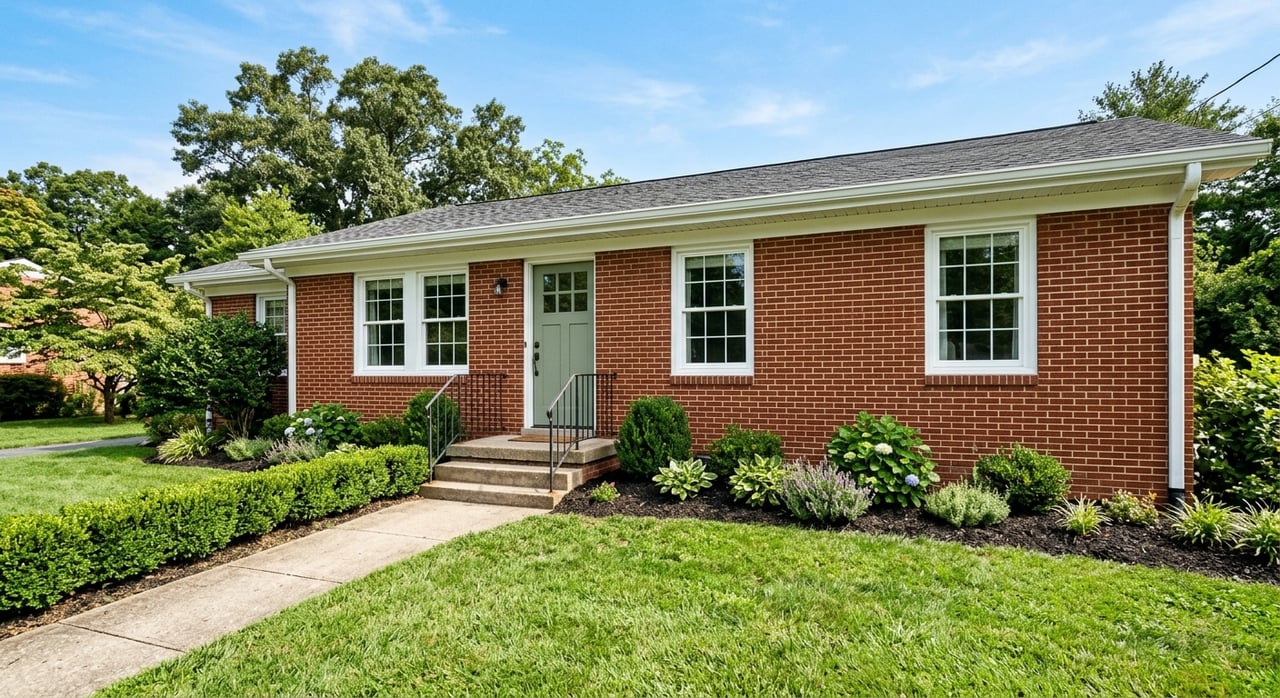
Buying a home in Sanford can feel like a big move, especially if you are comparing it to other Triangle-area markets or trying to buy from out of town. You want the right home, the right price, and a process that does not surprise you halfway through. This step-by-step guide will help you understand what to expect, what to do first, and where Sanford fits in today’s market. Let’s dive in.
Why Sanford draws buyers
Sanford offers a price point that stands out in central North Carolina. According to Redfin’s Sanford housing market data, the median sale price in Sanford was $305,000 in February 2026.
That compares with $430,000 in Raleigh and $383,500 in Durham County, based on the same market snapshots. In other words, Sanford looks materially less expensive than Raleigh and somewhat less expensive than Durham County, while still moving at a fairly similar pace.
Sanford’s median days on market was 55, compared with 57 in Raleigh and 73 in Durham County. That means you may find more budget flexibility here, but you should still be ready to act when the right property comes up.
Step 1: Set a realistic budget
Start with the full monthly cost, not just the home price. Your budget should include your mortgage payment, property taxes, homeowners insurance, and any expected maintenance or utility differences.
If you are using Sanford’s current median price as a baseline, remember that taxes can vary depending on whether the home is inside city limits. Based on the City of Sanford’s FY 2025-2026 tax rate and Lee County’s FY2025 county rate, a $305,000 assessed home would imply about $3,614 per year in taxes inside Sanford city limits and about $1,983 per year outside city limits, using assessed value rather than list price, according to the City of Sanford budget information.
That difference matters when you compare homes just outside town versus homes within city boundaries. It is one more reason to look at the total cost of ownership before you fall in love with a specific property.
Step 2: Get preapproved, not just prequalified
Before you start writing offers, get a true mortgage preapproval. The Consumer Financial Protection Bureau explains that prequalification is different from preapproval, and that a real preapproval involves lender review of your creditworthiness and supporting information.
This step gives you a more solid price range and makes your offer more credible. It also helps you understand how your payment changes once taxes, insurance, and debt-to-income guidelines are factored in.
Once you submit the six key application details, the lender must provide a Loan Estimate within three business days. The CFPB also recommends comparing multiple Loan Estimates, which can be useful if rates and fees differ among banks, credit unions, and online lenders.
Step 3: Build your home search around Sanford specifics
Not every Sanford-area property will have the same utility setup, lot characteristics, or inspection needs. Some homes may be connected to public utilities, while others may rely on private well and septic systems.
That is why your search should include more than bed count and square footage. You will also want to confirm whether the home is inside or outside city limits, whether it uses public water and sewer, and whether the lot or age of the home creates extra due diligence items.
For public water and wastewater service, the city notes that TriRiver Water became Sanford’s provider on July 1, 2024. If you are relocating or buying from out of area, confirming utilities early can save time and prevent confusion later.
Step 4: Understand North Carolina due diligence
North Carolina’s purchase process includes a due diligence period, and this is one of the most important parts of buying in Sanford. According to the NC REALTORS Buyer Advisory, buyers may investigate the property and financing during due diligence and may terminate for any reason during that period.
In many transactions, the buyer also pays a due diligence fee directly to the seller. That fee is generally non-refundable, but it is typically credited at closing if the purchase goes through.
Because Sanford is still a somewhat competitive market, it helps to line up your financing, insurance quotes, and review process before you write the offer. A prepared buyer can usually move with more confidence and fewer last-minute decisions.
Step 5: Make a smart offer
A smart offer is not always the highest offer. It is the offer that fits your budget, timing, and comfort level with risk.
When you decide how to structure your offer, think about more than price. You also need to consider your due diligence period, the due diligence fee, your financing strength, and how quickly you can complete inspections and document review.
In Sanford, that balance matters because homes are not sitting forever, but the market is also not moving at an extreme pace. With about one offer per home on average in the latest Redfin snapshot, buyers often have room to be thoughtful, but not careless.
Step 6: Prioritize the right inspections
A general home inspection is important, but it may not cover everything you need. The NC REALTORS Buyer Advisory notes that inspectors must provide a written contract and that buyers should review the inspection scope carefully because some inspectors do not inspect every component, such as HVAC systems or roofs.
Pest inspections are also worth attention and may be required by some lenders. If the home is older, sits on acreage, or has systems that are not connected to public utilities, your inspection list should often expand.
Inspections to consider in Sanford
- General home inspection
- Pest inspection
- Septic inspection by a licensed on-site wastewater inspector, if applicable
- Private well water testing, if applicable
- Well structure inspection by a certified well contractor or environmental health specialist, if applicable
- Survey to identify setbacks, easements, encroachments, or access issues
- Flood review
- Radon testing
- Mold review
- Lead-paint awareness for homes built before 1978
- Review for underground oil storage tank concerns when relevant
If a property has a private septic system, the City of Sanford notes that related permitting may require a Construction Authorization or approved re-evaluation from the Lee County Health Department. That makes septic review especially important when you are evaluating a property with private systems.
Step 7: Check maps and property details early
Before you move too far into the transaction, review the county mapping tools. The Lee County tax administration portal includes mapping and GIS resources, including floodplain-related layers.
This is a practical step that many buyers skip at first. A quick map review can help you ask better questions about flood exposure, access, boundaries, and property characteristics before you finalize an offer or lock in insurance planning.
For homes on larger lots or in less dense areas, this step becomes even more useful. It can also help you decide whether you need a survey or additional specialist inspections.
Step 8: Stay organized during lending and closing
In North Carolina, closings are attorney-led. The NC REALTORS advisory explains that the closing attorney examines title, obtains title insurance, prepares or supervises closing documents, and records the deed.
Your timeline is usually driven by underwriting, appraisal, title work, and document coordination rather than by Sanford itself. If settlement cannot be completed on the agreed date, the contract allows the delaying party up to 14 additional days.
The lending timeline includes a few key checkpoints. The CFPB says lenders must provide the Loan Estimate within three business days of application and the Closing Disclosure at least three business days before closing.
Step 9: Protect yourself from wire fraud
One of the most important closing-day safety rules has nothing to do with the house itself. It has to do with your funds.
NC REALTORS warns buyers to verify wire instructions by calling the closing attorney at an independently obtained phone number. Do not rely only on emailed instructions if anything looks unfamiliar or changes suddenly.
This is especially important if you are buying from out of town and handling much of the transaction remotely. A clean paper trail and quick communication matter just as much as your showing schedule.
Step 10: Prepare for a smoother move-in
As closing gets closer, confirm your utility plan, transfer timeline, and any service setup needed at the property. This step is simple, but it can become stressful if left until the last minute.
If the home uses public service, verify the current provider and account transition steps. If it uses private well or septic, make sure you understand the inspection results, maintenance expectations, and any follow-up recommendations before move-in.
A strong buying experience is not just about getting under contract. It is about making sure the home, the numbers, and the logistics all work together for your next chapter.
If you are thinking about buying in Sanford, having a responsive local team can make the process feel much more manageable, especially if you are balancing a move, a job change, or a long-distance search. When you are ready for thoughtful guidance and clear communication, connect with Rachel Greenwood.
FAQs
What should I get preapproved for before buying in Sanford?
- Start with a price range that fits Sanford’s current market, then have your lender review taxes, insurance, debts, and payment comfort before you shop seriously.
What inspections matter most for Sanford homebuyers?
- Most buyers should begin with a general home inspection and pest inspection, then add septic, well, survey, flood, radon, mold, or lead-related review if the property’s age, lot, or utility setup calls for it.
Is Sanford easier to buy in than Raleigh or Durham County?
- Sanford currently has a lower median sale price than Raleigh and Durham County, but its market pace is still fairly active, so you should be prepared even if you expect more affordability.
What is the due diligence period in a North Carolina home purchase?
- It is the negotiated period when you investigate the property and financing, and under the NC REALTORS advisory, you may terminate for any reason during that timeframe.
What should out-of-town buyers know about closing on a Sanford home?
- North Carolina closings are attorney-led, and remote buyers should stay organized, respond quickly to lender and attorney requests, confirm utility details early, and verify wire instructions by phone using a trusted number.
How can I check floodplain or property map details for a Sanford home?
- You can start with the Lee County tax and GIS mapping tools to review parcel details and floodplain-related layers before finalizing your offer or insurance planning.