This Raleigh, North Carolina neighborhood guide is your definitive resource for understanding one of the fastest-growing and most consistently celebrated cities in the American South. Raleigh is the state capital of North Carolina, the co-anchor of the Research Triangle alongside Durham and Chapel Hill, and a city of 470,763 residents whose combination of technology industry growth, three world-class universities, exceptional quality of life, and no state income tax on many income categories has driven a sustained in-migration that makes Raleigh one of the most economically dynamic metropolitan areas in the United States.
Rachel Greenwood and the Greenwood Collective serve Raleigh buyers and sellers from their office at 3800 Glenwood Avenue — in the heart of one of Raleigh's most established residential corridors — as a team of real estate agents affiliated with Compass. Their deeply empathetic nature and genuine understanding of clients' journeys makes them uniquely equipped to guide buyers through this fast-moving market. This neighborhood guide reflects the local knowledge they bring to every client relationship.
Raleigh, nestled in the heart of North Carolina, invites you to experience the epitome of Southern hospitality in one of the nation's fastest-growing markets — a city where the Research Triangle's technology economy, three world-class universities, and a thriving food and arts scene create a quality of life that consistently draws buyers from across the country.
Raleigh is North Carolina's capital and the seat of Wake County — a city that has been named one of the best places to live in the United States by Money Magazine, Forbes, and numerous national publications, driven by the combination of the Research Triangle's economic opportunity, the city's exceptional parks and greenways, its acclaimed food and arts scene, and the Southern hospitality that permeates daily life here. With a median age of 34.7 and a population that has grown by over 100,000 in the past decade, Raleigh is young, ambitious, and genuinely exciting as a place to build a career and a life.
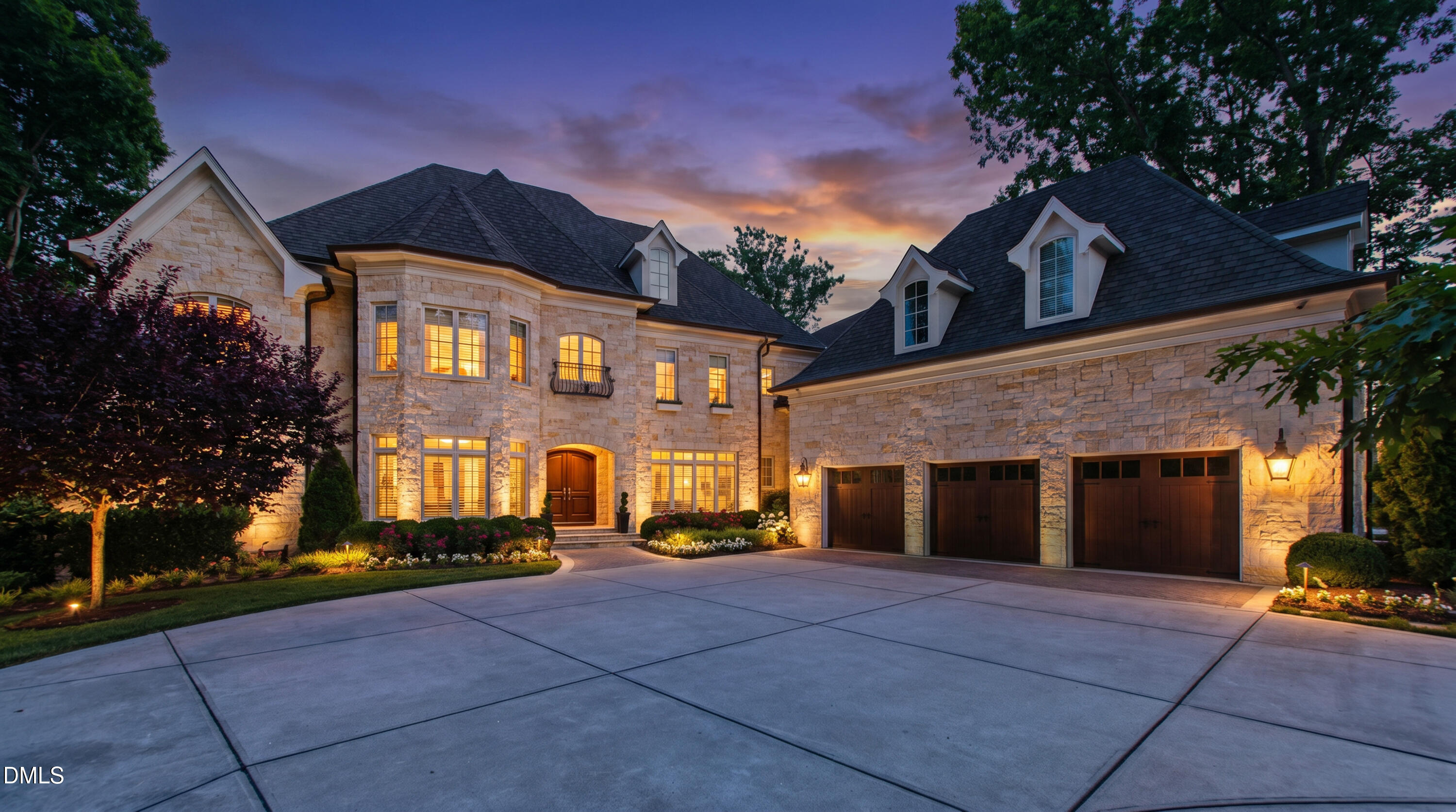
The Research Triangle — the geographic and economic formation created by NC State University in Raleigh, Duke University in Durham, and the University of North Carolina in Chapel Hill — is one of the most significant technology and biotech employment hubs in the United States. Apple, Google, IBM, Lenovo, Red Hat, and dozens of other major technology companies have established significant operations in the Research Triangle Park and the surrounding municipalities, creating the sustained high-income employment base that has driven Raleigh's real estate market to listings of $6.25M, $7.5M, $8.5M, $9.5M, and $12M visible in the current portfolio.
Beyond its thriving job market, the city boasts access to top-notch universities, a delectable food scene, and charming neighborhoods that reflect the warm and family-friendly atmosphere that defines Raleigh. History and modernity coexist gracefully — from the State Capitol's Greek Revival dome to the contemporary glass of the new convention center, every corner of Raleigh is a testament to its unique character.
Raleigh's neighborhood landscape is one of the most diverse of any Southern city — ranging from the historic, walkable in-town neighborhoods minutes from downtown to the newer master-planned communities of North Raleigh and the suburban corridors that have absorbed much of the city's growth. This Raleigh neighborhood guide provides the buyer-level context needed to navigate them.
Five Points and Hayes Barton are Raleigh's most beloved and most sought-after in-town neighborhoods — established residential areas with tree-canopied streets, Tudor, Colonial Revival, and Craftsman homes from the 1920s-1950s, and the walkable character that makes them genuinely different from Raleigh's suburban neighborhoods. The Five Points commercial intersection (where Glenwood Avenue, White Oak Road, Oberlin Road, Fairview Road, and Georgetown Road converge) provides a village-scale dining and retail corridor that serves as the social heart of the neighborhood. Hayes Barton Elementary and the proximity to the Greenway trail system add family appeal.
North Hills is Raleigh's upscale mid-city commercial and residential hub — a dynamic blend of upscale shops, dining, and entertainment anchored by the North Hills development along Six Forks Road. The residential neighborhoods surrounding North Hills are among Raleigh's most consistently valued, with established single-family homes and newer construction serving a professional and executive buyer base. North Hills's combination of exceptional dining, retail, and connectivity makes it one of the most active commercial-residential corridors in the Triangle.
Cameron Village and the surrounding Budleigh neighborhood offer historic charm in a setting that is genuinely walkable by Raleigh standards — tree-lined streets and boutique offerings within easy reach of NC State's campus. Cameron Village's outdoor shopping center, established in 1949 as one of the first planned shopping centers in the Southeast, anchors the neighborhood's commercial identity. The residential streets of Budleigh exude character that newer Raleigh neighborhoods cannot replicate.
The Midtown corridor along Glenwood Avenue provides some of Raleigh's most active commercial energy — restaurants, boutiques, and the cultural institutions that serve the established neighborhoods on both sides of the avenue. Greenwood Collective's own office at 3800 Glenwood Avenue sits in this corridor, reflecting deep knowledge of the residential market along Raleigh's most storied commercial street.
North Raleigh encompasses the newer master-planned communities and established suburban neighborhoods that have absorbed much of the city's growth over the past two decades. Brier Creek Commons anchors the northwest corridor with comprehensive retail. Wakefield Plantation and the Falls Lake communities provide golf, lake, and trail access with newer construction and the school quality that drives family demand. These neighborhoods typically offer more space and more recent construction at price points that represent genuine value relative to the in-town alternatives.
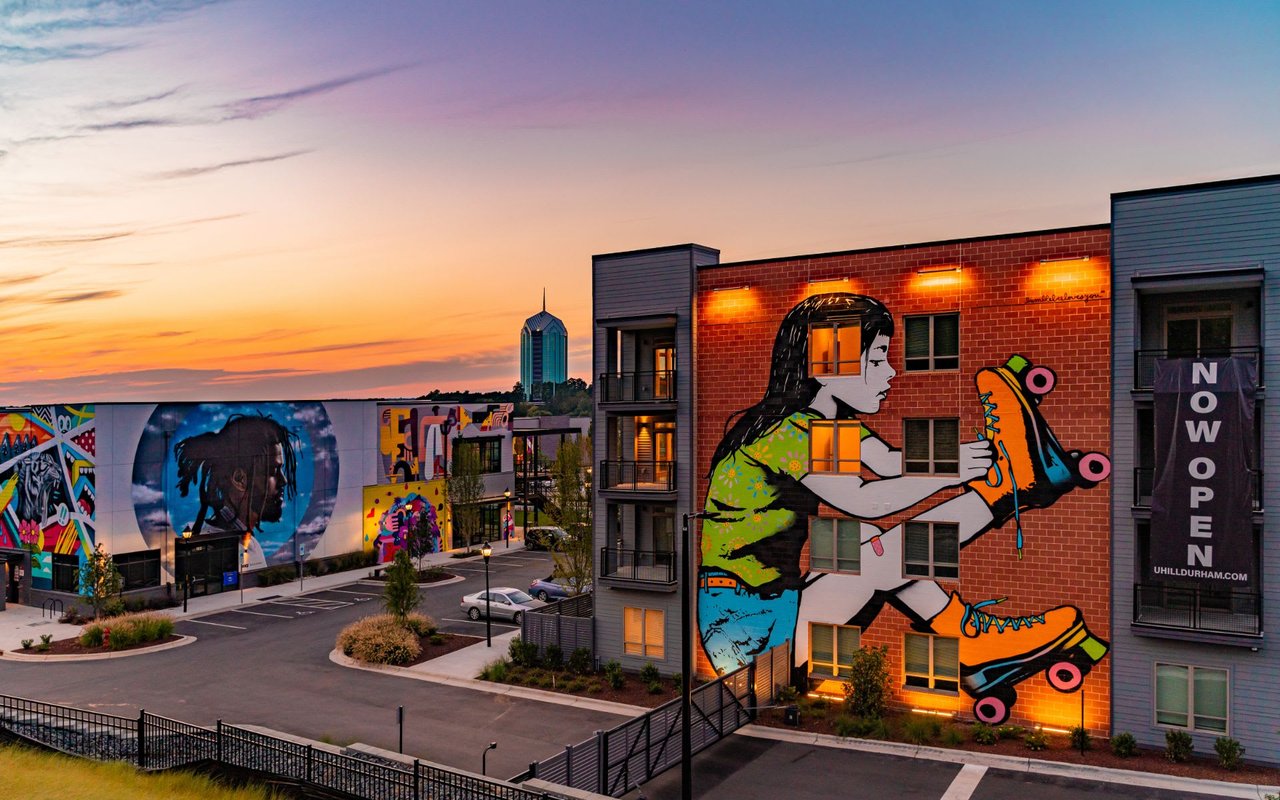
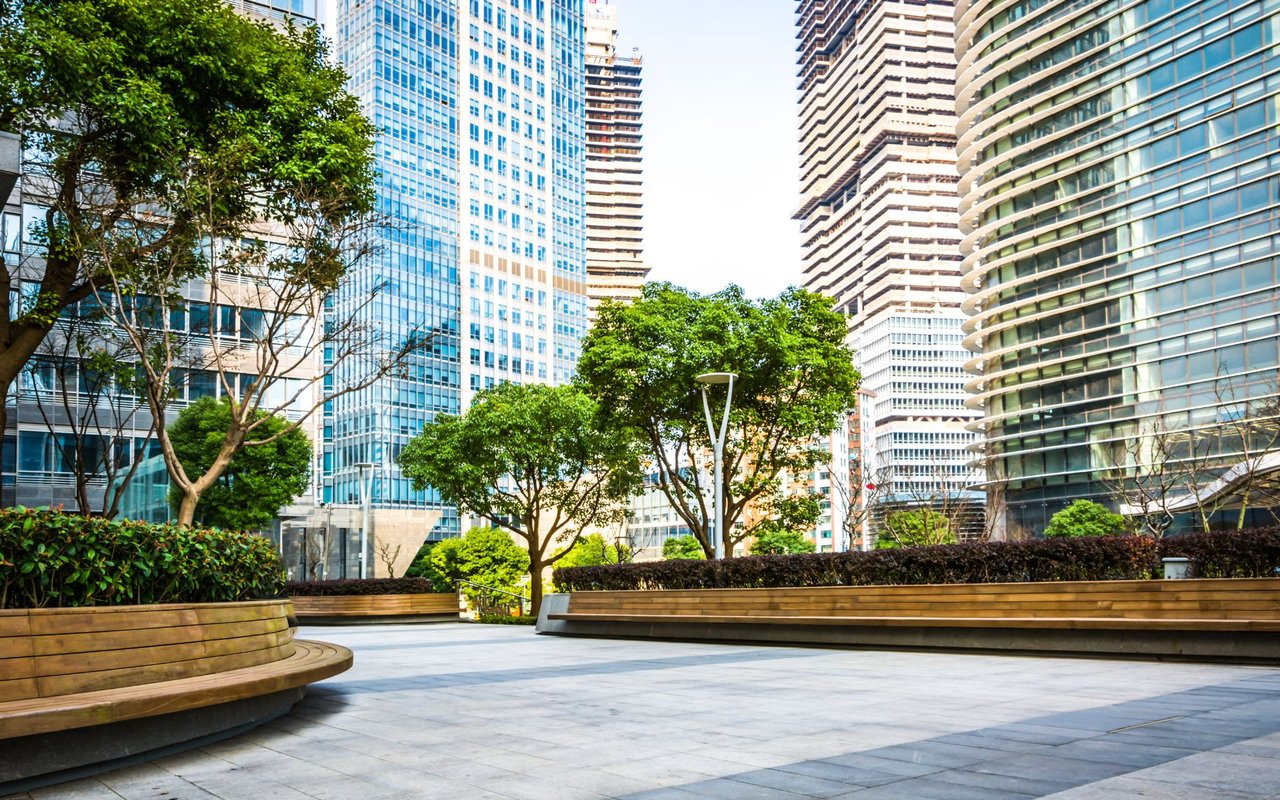
Downtown Raleigh has undergone significant transformation over the past decade — from a largely office-centric daytime environment to a genuine 24-hour neighborhood with high-rise residential towers, acclaimed restaurants, Fayetteville Street's commercial corridor, and the Capital District's entertainment and community gathering energy. The Warehouse District west of downtown has become Raleigh's most creative and most rapidly evolving urban neighborhood, attracting restaurants, art galleries, and the young professional population that is increasingly choosing urban density over suburban space.
The Raleigh real estate market has been one of the most active in the United States over the past decade — driven by the Research Triangle's technology employment growth, the sustained in-migration of high-income professionals from Northern California, the Northeast, and the Midwest, and the quality of life that Raleigh delivers at price points that consistently represent significant value compared to comparable markets in other technology hubs.
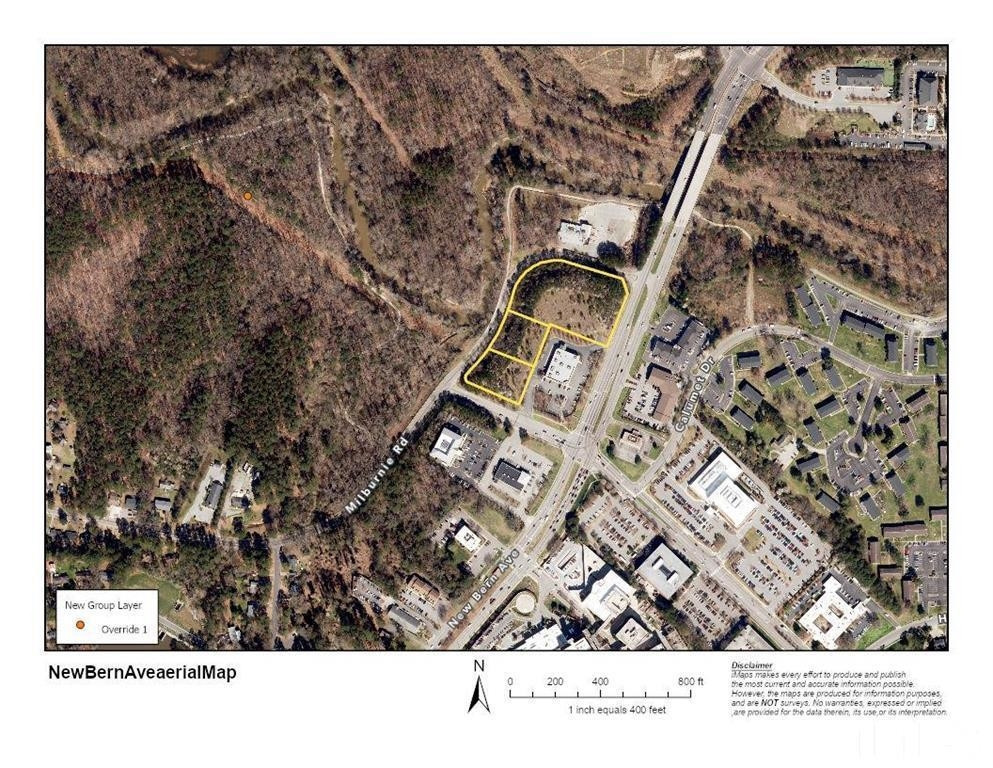
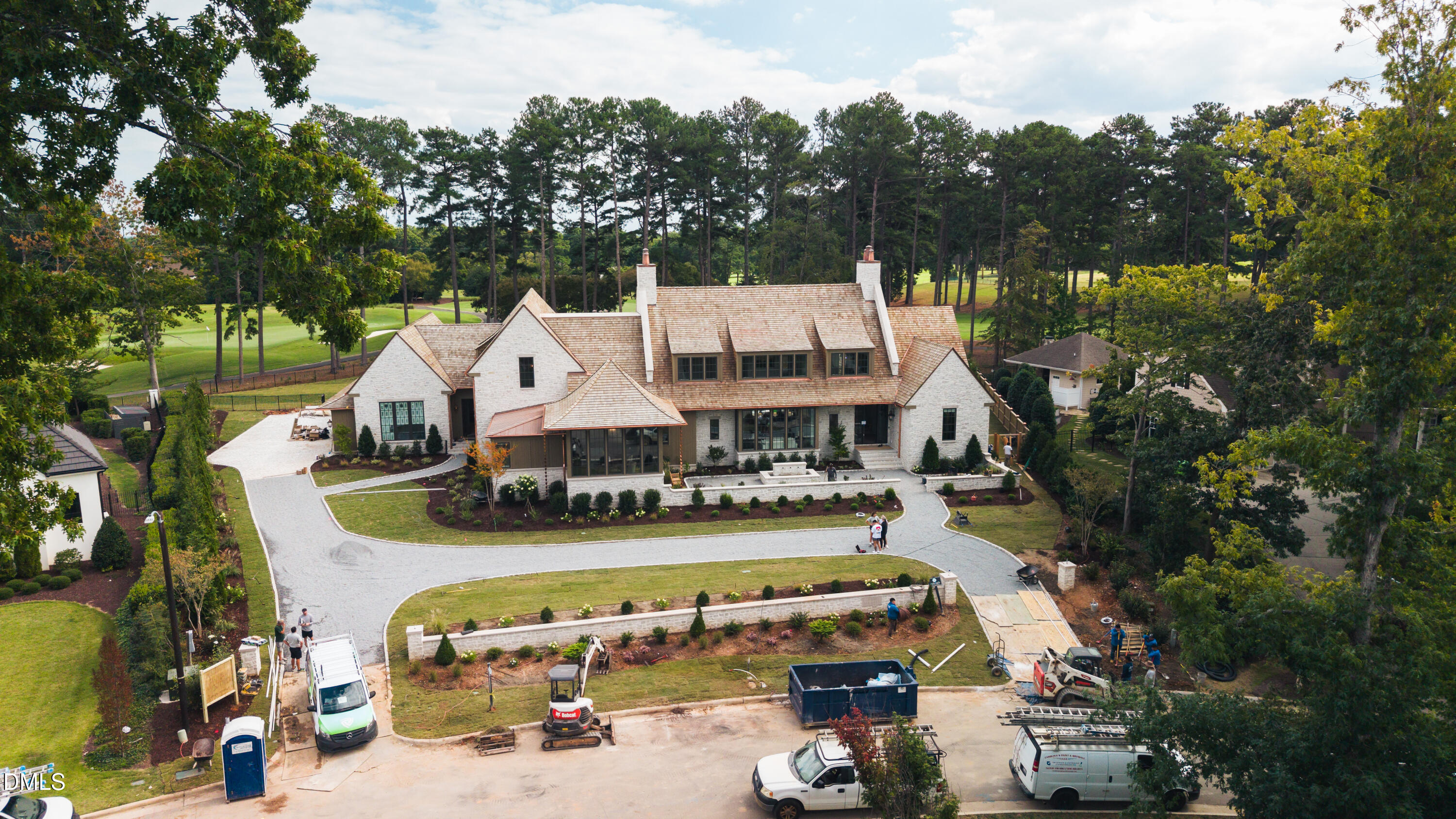
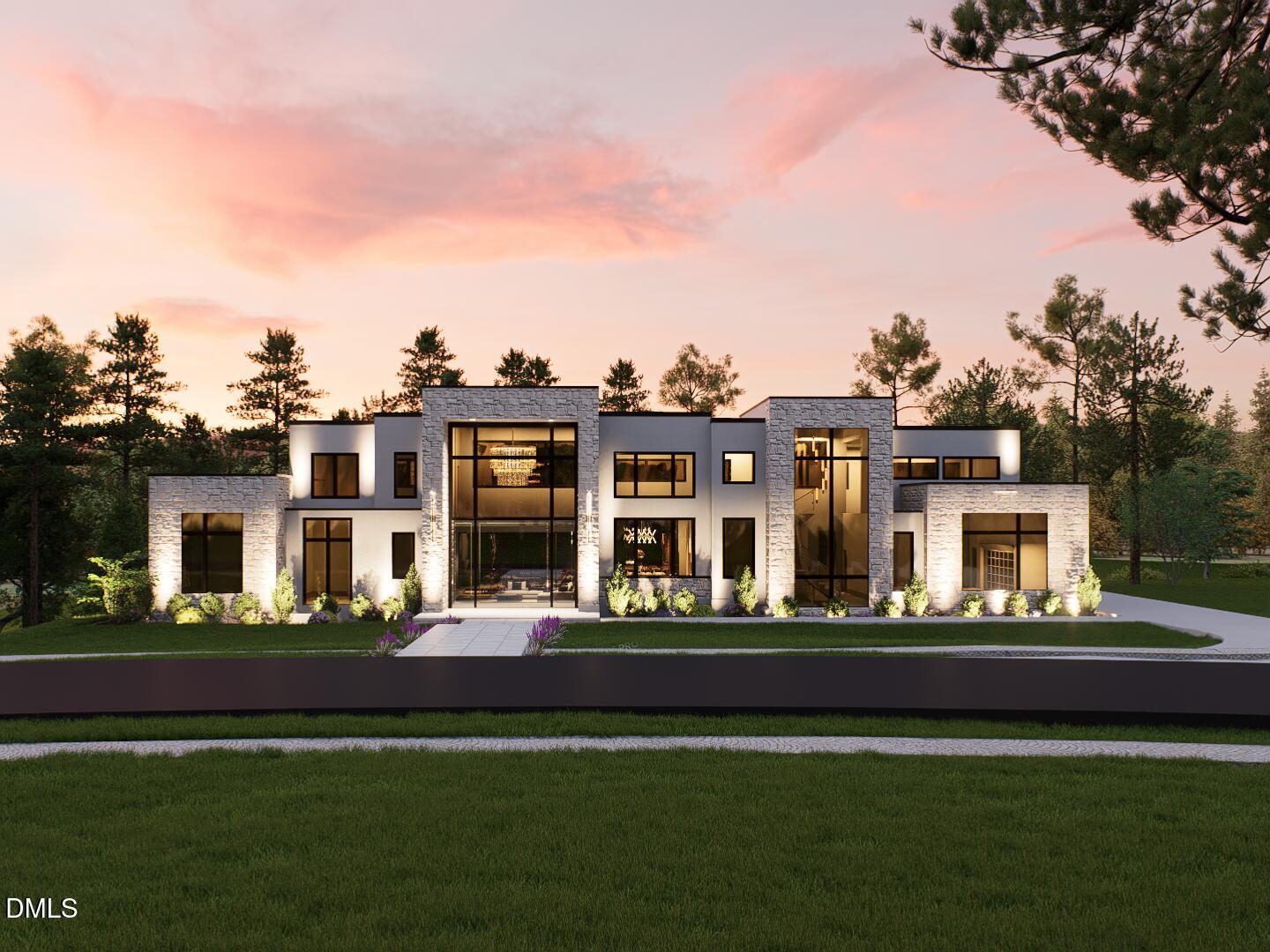
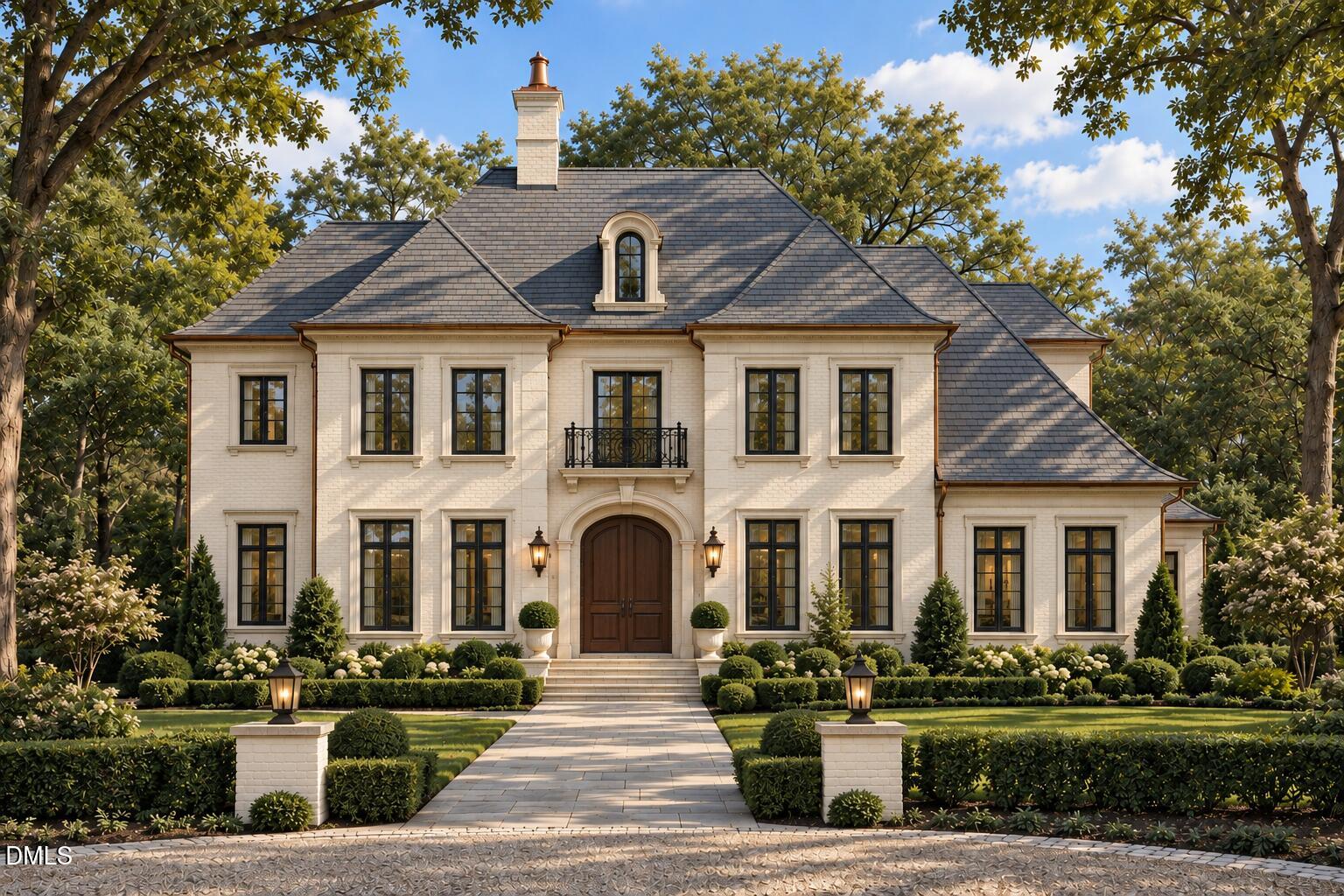
Luxury estate homes in North Raleigh's most prestigious corridors — Barcroft Place, North Ridge Drive, Granville Drive, Wimbleton Drive, and Canadero Drive; current active listings include properties at $6.25M, $6.5M, $6.7M, $6.75M, $6.995M, $7.5M, $8.5M, $9.5M, and $12M; estate homes of 6,884–11,913 square feet representing the apex of the Raleigh luxury market
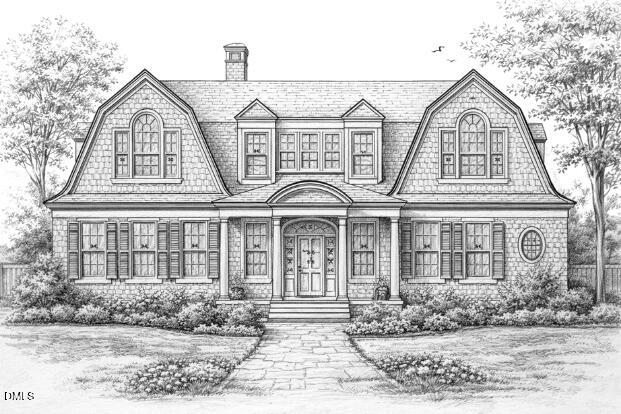
Historic in-town homes — Five Points, Hayes Barton, Cameron Village, and the established neighborhoods near NC State; the most coveted of Raleigh's original residential fabric; priced from $800,000 to $3M+ for the most significant addresses
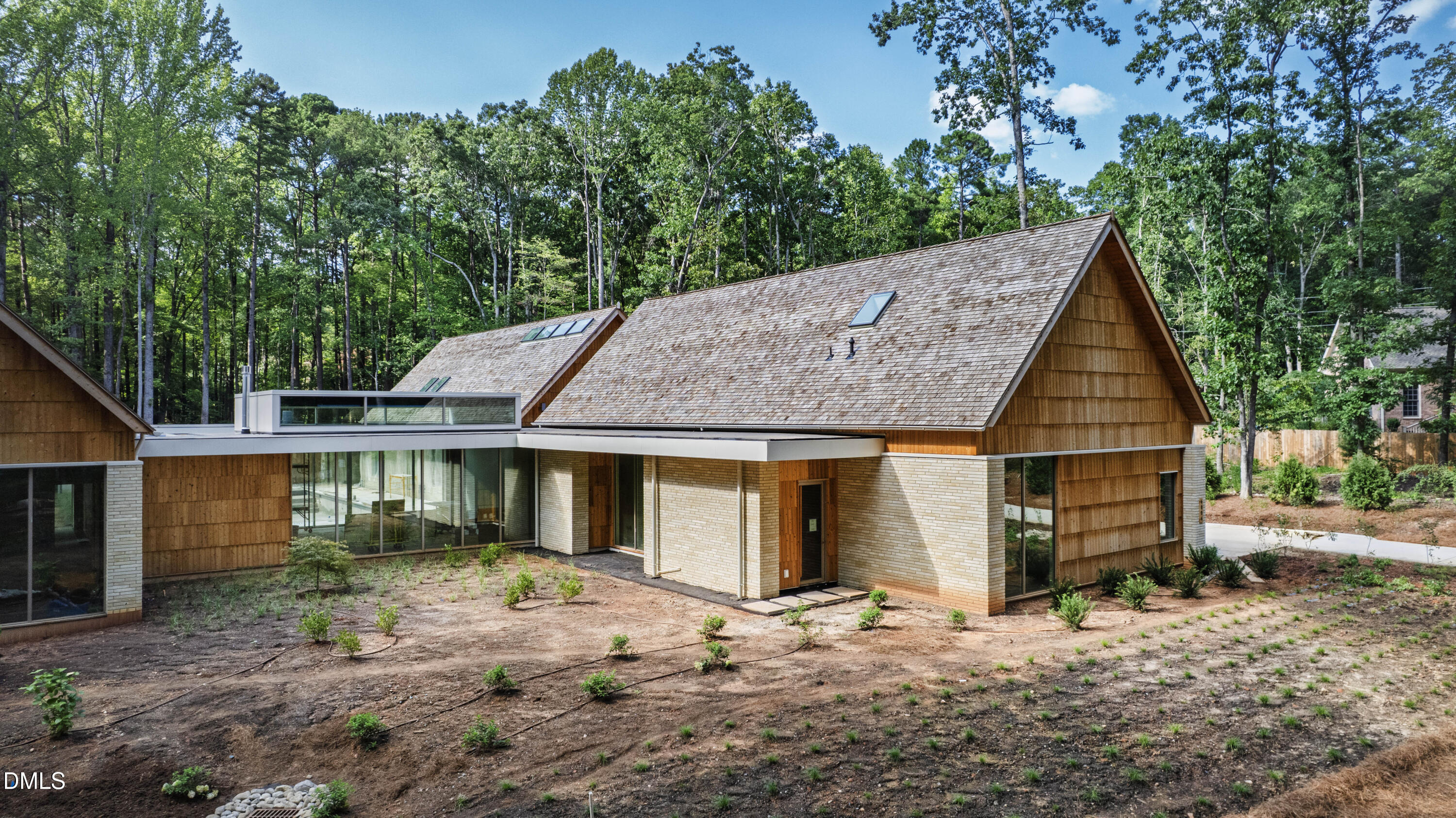
New construction in master-planned communities — North Raleigh and the suburban corridors provide a significant pipeline of new construction serving family buyers who prioritize space, schools, and newer amenity infrastructure
Downtown and Midtown condominiums — a growing segment as Raleigh's urban core has developed; priced from $400,000 for well-positioned units to $2M+ for luxury penthouse residences
Land and custom build opportunities — Raleigh land listings (greenwoodresidentialnc.com/raleigh-nc/land) provide buyers who want to build custom with available parcel opportunities across the city's growth corridors
North Carolina offers a favorable tax environment for buyers relocating from high-tax states. North Carolina has a flat income tax rate (4.75% as of 2023, continuing to reduce under current law), no estate or inheritance tax, and significantly lower overall tax burdens than comparable technology hub markets in California, New York, and Washington. For a high-income technology professional relocating from the Bay Area or Seattle, the combined tax savings of establishing North Carolina residency represents a meaningful annual financial benefit that effectively subsidizes the cost of Raleigh's luxury real estate tier.
Browse Greenwood Collective's current Raleigh listings: Homes for sale in Raleigh
• Single-family homes for sale in Raleigh
• Raleigh luxury homes for sale
• Raleigh land for sale
The Research Triangle — the technology and biotech employment ecosystem formed by NC State, Duke, and UNC; home to Apple, Google, IBM, Lenovo, Red Hat, and hundreds of technology companies that have made the Triangle one of the fastest-growing high-income employment markets in America
NC State University — the Research Triangle's engineering and technology flagship, anchoring Raleigh's university presence with nationally ranked programs in engineering, agriculture, and the sciences, and contributing to the city's youthful energy and intellectual vibrancy
North Carolina's favorable tax environment — flat income tax (one of the most competitive rates among major technology hub states), no estate or inheritance tax, and overall fiscal management that has made NC a consistent destination for both corporate relocations and individual moves
Pullen Park — one of the oldest amusement parks in the United States, providing a picturesque setting for family-friendly enjoyment with its carousel, train rides, and green spaces
The Greenway trail system — Raleigh's 140+ miles of greenway trails connect neighborhoods, parks, and the urban core in a trail network that gives the city an outdoor recreation infrastructure unusual for a city of its size and age
A nationally acclaimed food scene — Poole's, Beasley's, Crawford and Son, Bida Manda, and a restaurant culture anchored by James Beard Award-nominated chefs that consistently outperforms what a mid-sized Southern city would typically sustain
Wide range of residential options — from the historic in-town neighborhoods of Five Points and Hayes Barton to the master-planned communities of North Raleigh, the full spectrum of lifestyle, price point, and residential character is available within the city
Access to outdoor recreation — Falls Lake (30 minutes), Jordan Lake (40 minutes), the Appalachian Trail (2.5 hours), and the NC coast (3 hours) give Raleigh residents access to a diverse outdoor recreation landscape
Excellent medical infrastructure — Duke Health, UNC Health, and WakeMed provide world-class medical care anchored by two of the country's premier academic medical centers within 30 minutes of most Raleigh addresses
Charlotte and the NC coast accessible — Charlotte is 2.5 hours southwest; the Outer Banks and the Crystal Coast are 2.5-3 hours east; Raleigh's central NC position gives residents access to multiple distinct landscapes for weekend travel
Raleigh's vibrant lifestyle unfolds from its bustling downtown and local hiking trails to its picturesque neighborhoods. Residents of all ages can explore the endless opportunities for recreation and relaxation. Whether you're drawn to the educational opportunities, the diverse housing market, or the engaging lifestyle, Raleigh welcomes you to a city that seamlessly blends growth with Southern charm.
The Raleigh lifestyle is defined by a specific Southern hospitality that manages to coexist with the dynamism of a technology economy — a combination that buyers from California's Bay Area and the Northeast consistently describe as the most distinctive and most appealing quality of city life here. The pace is genuinely different: more deliberate, more neighborly, more community-oriented than the larger technology markets from which many of Raleigh's newest residents have arrived. The Greenway trail encounter, the neighborhood school community, the downtown farmers market on Saturday mornings — these are the daily social touchpoints that make Raleigh feel like a community rather than simply a place to work.
NC State's campus contributes a specific energy to Raleigh's western neighborhoods that residents describe as both intellectually stimulating and practically valuable — the Centennial Campus's research park, the cultural programming at the Gregg Museum of Art & Design, and the athletic events at Carter-Finley Stadium all feed into the lifestyle of the neighborhoods surrounding the university. And the Research Triangle Park's corporate campuses — Apple's glass-and-steel arrival among the most dramatic — give North Raleigh a technology industry ambient energy that has attracted the specific demographic of well-compensated professionals who drive the city's luxury real estate market.
Raleigh's culinary scene has earned national recognition — a reflection of the city's educated, well-traveled, high-income resident base and the culinary talent that has followed the technology migration to the Triangle. The James Beard Award nominations earned by Raleigh chefs are not aberrations; they reflect a genuine food culture that takes ingredients, craft, and hospitality seriously.
At Poole's, indulge in elevated comfort food within a stylish setting that has made it a Raleigh institution. Beasley's Chicken + Honey offers a menu centered around locally sourced ingredients, providing a satisfying and flavorful experience built on Southern classics. Experience the art of wood-fired cooking at Crawford and Son, where the menu reflects a commitment to quality and creativity. Bida Manda presents Laotian cuisine, offering unique and authentic flavors in a chic, modern space. Raleigh's dining scene combines culinary innovation with Southern traditions, ensuring a delightful experience for discerning food enthusiasts.
For shopping, Crabtree Valley Mall is a premier shopping destination hosting an extensive array of upscale boutiques and renowned brands. City Market, nestled in the historic downtown, offers a unique blend of local shops, art galleries, and boutiques, allowing you to explore one-of-a-kind treasures in a charming setting. Brier Creek Commons caters to various tastes and preferences in northwest Raleigh, ensuring you find everything from fashion to electronics with convenient highway access. North Hills's mixed-use development provides the most contemporary shopping-dining experience in the city.
Raleigh's entertainment and recreation landscape reflects its dual identity as both a capital city and a technology hub — the cultural infrastructure of a state capital (museums, performance venues, historic sites) layered over the active lifestyle amenities that the technology professional demographic consistently demands.
Delve into the vibrant heartbeat of North Hills, where a dynamic blend of upscale shops, dining, and entertainment awaits. Discover the historic allure of Cameron Village and Budleigh — charming neighborhoods that exude character with their tree-lined streets and boutique offerings. The North Carolina Museum of Natural Sciences (free admission, nationally ranked) and the North Carolina Museum of Art (also free, with a 164-acre outdoor sculpture park) give Raleigh cultural institutions of genuine national significance. Red Hat Amphitheater, PNC Arena, and the Raleigh Convention Center anchor a concert and events calendar that serves a metropolitan area of over 1.4 million.
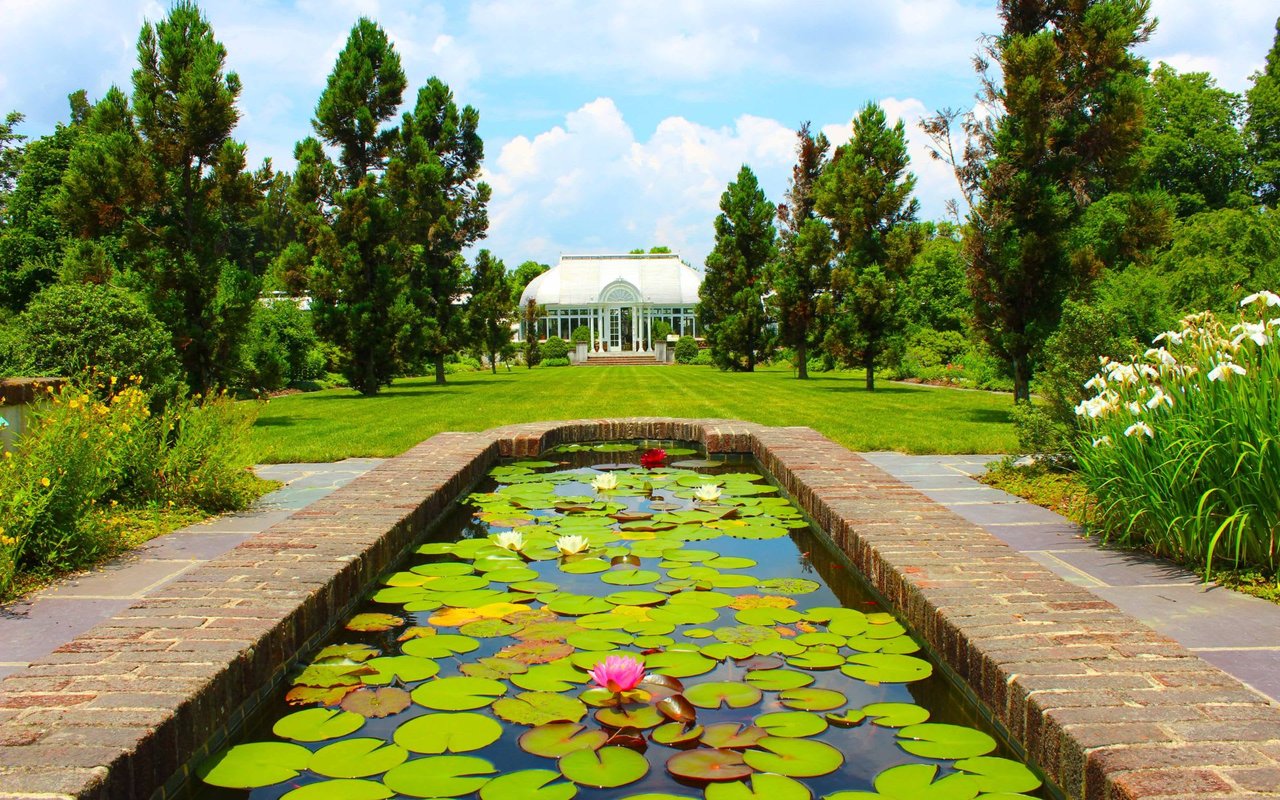
Pullen Park provides a picturesque setting for family-friendly enjoyment with its carousel, train rides, and green spaces. The 140+ miles of Raleigh Greenway trails connect neighborhoods and parks across the city in a network that makes cycling, running, and walking genuinely viable as daily transportation and recreation. Falls Lake, 30 minutes north, provides the most significant outdoor recreation anchor — boating, fishing, swimming, and the Falls Lake Trail system's 25 miles of mountain biking and hiking.
Immerse yourself in the cultural mosaic of Downtown Raleigh, where art, music, and diverse events flourish. Explore the bustling campus life at North Carolina State University. In the Capital District, savor the lively atmosphere shaped by entertainment venues, dining establishments, and community gatherings, highlighting Raleigh's commitment to a well-rounded, engaging urban lifestyle.
Raleigh is served by the Wake County Public School System (WCPSS) — the largest school district in North Carolina and one of the largest in the United States, consistently rated among the top large urban school districts in the country. The district's magnet school program is one of the most extensive in America, giving families across Raleigh access to specialized academic programs in STEM, traditional academics, arts, and language immersion regardless of their home neighborhood.
NC State University — Raleigh's flagship higher education institution; the Research Triangle's engineering and technology anchor; nationally ranked programs and a significant contribution to the city's economic and cultural life
Multiple magnet high schools — Raleigh's Wake County district includes specialized magnet programs for STEM, traditional academics, and performing arts available to qualified applicants across the district
Strong neighborhood elementary schools throughout the city — the district's consistency across its neighborhood schools is one of its most cited advantages for families who don't want to navigate the magnet system
The school district boundary in Wake County is managed through year-round school assignment and a busing system; families evaluating specific Raleigh properties should confirm their specific school assignment with the Greenwood Collective team, as assignment can vary by address. The team's knowledge of school assignment by neighborhood is an important part of the buyer advisory process for families.
Durham: approximately 25 miles west (25-35 minutes via I-40 or US-15/501)
Chapel Hill: approximately 30 miles west (30-40 minutes via I-40)
Research Triangle Park (RTP): approximately 15 miles west (20-25 minutes via I-40)
Raleigh-Durham International Airport (RDU): approximately 15 miles west (20-30 minutes)
Wake Forest: approximately 15 miles north (20-25 minutes via US-1/Falls of Neuse Road)
Cary: approximately 10 miles west (15-20 minutes via I-40)
Charlotte: approximately 165 miles southwest (2.5 hours via I-85)
NC Outer Banks coast: approximately 190 miles east (2.5-3 hours via US-64)
Rachel Greenwood and the Greenwood Collective serve buyers and sellers across the full Research Triangle and Central North Carolina market:
• Durham homes for sale — Duke University's city, the Research Triangle's western anchor
• Chapel Hill homes for sale — UNC's university town and one of the Triangle's most beloved communities
• Cary homes for sale — consistently one of NC's top-ranked communities for families
• Wake Forest homes for sale — the rapidly growing northern Wake County community
• Sanford homes for sale — Lee County community south of the Triangle
Raleigh is consistently ranked among the best places to live in the United States — by Money Magazine, Forbes, U.S. News & World Report, and other national publications — for its combination of Research Triangle employment opportunity, Southern hospitality and quality of life, excellent medical infrastructure, extensive park and greenway system, acclaimed food scene, and North Carolina's favorable tax environment. The city's growth (over 100,000 new residents in the past decade) reflects genuine buyer and renter enthusiasm that sustains the real estate market through economic cycles.
Raleigh's neighborhoods each serve different buyer profiles. Five Points and Hayes Barton are considered the most prestigious in-town addresses — historic, tree-canopied, walkable, and within close reach of downtown. North Hills is the upscale mid-city hub with the best concentration of dining and retail. Cameron Village and Budleigh offer historic charm near NC State. North Raleigh's communities (Barcroft, North Ridge, Wimbleton Drive) house the city's most significant luxury estate properties. Downtown Raleigh and the Warehouse District attract the urban professional demographic. The Greenwood Collective can advise on which neighborhood best matches any specific buyer's lifestyle and budget priorities.
Raleigh real estate spans a wide range. Entry-level homes start around $350,000-$500,000 in the broader metro area. Mid-market single-family homes in established neighborhoods typically run $600,000-$1.5M. The city's luxury tier — estate homes in North Raleigh's most prestigious streets — currently includes active listings from $6.25M to $12M. Greenwood Collective's portfolio reflects deep expertise across all Raleigh price points, from first-time buyer homes to the nine-figure estate market.
The Research Triangle is the name for the geographic and economic formation created by NC State University in Raleigh, Duke University in Durham, and the University of North Carolina in Chapel Hill. Research Triangle Park — a 7,000-acre corporate campus between the three universities — is home to Apple, Google, IBM, Lenovo, Red Hat, Cisco, and hundreds of other technology and biotech companies. The Triangle is one of the most significant technology employment hubs in the United States and the primary economic driver behind Raleigh's sustained population and real estate growth.
Rachel Greenwood and the Greenwood Collective bring deeply empathetic client service — honed through personal experience — to every buyer and seller relationship. As a team affiliated with Compass operating from 3800 Glenwood Avenue in Raleigh, the Greenwood Collective combines local market expertise with the Compass platform's technology and marketing resources. Their knowledge of Raleigh's distinct neighborhoods, from the in-town historic areas to North Raleigh's luxury corridor, gives their clients the local intelligence needed to navigate one of America's fastest-moving real estate markets with confidence.
Greenwood Collective's deeply empathetic nature, honed through personal experiences, allows them to approach each client's journey with compassion, understanding, and a genuine desire to guide them through one of life's most significant transitions. As a team, they work together to provide exceptional service and ensure that every client receives the personalized attention they deserve — whether you're a first-time buyer navigating Raleigh's fast-moving market for the first time or a seasoned investor evaluating North Raleigh's luxury estate tier.
Whether you are searching for your first Raleigh home, evaluating the Research Triangle for a relocation, comparing Raleigh's neighborhoods, or considering selling — the Greenwood Collective is ready to help. Contact us today.
Raleigh has 196,924 households, with an average household size of 2.3. Data provided by the U.S. Census Bureau. Here’s what the people living in Raleigh do for work — and how long it takes them to get there. Data provided by the U.S. Census Bureau. 470,763 people call Raleigh home. The population density is 3,200 and the largest age group is Data provided by the U.S. Census Bureau.
Total Population
Population Density Population Density This is the number of people per square mile in a neighborhood.
Median Age
Men vs Women
Population by Age Group
0-9 Years
10-17 Years
18-24 Years
25-64 Years
65-74 Years
75+ Years
Education Level
Total Households
Average Household Size
Average individual Income
Households with Children
With Children:
Without Children:
Marital Status
Blue vs White Collar Workers
Blue Collar:
White Collar: