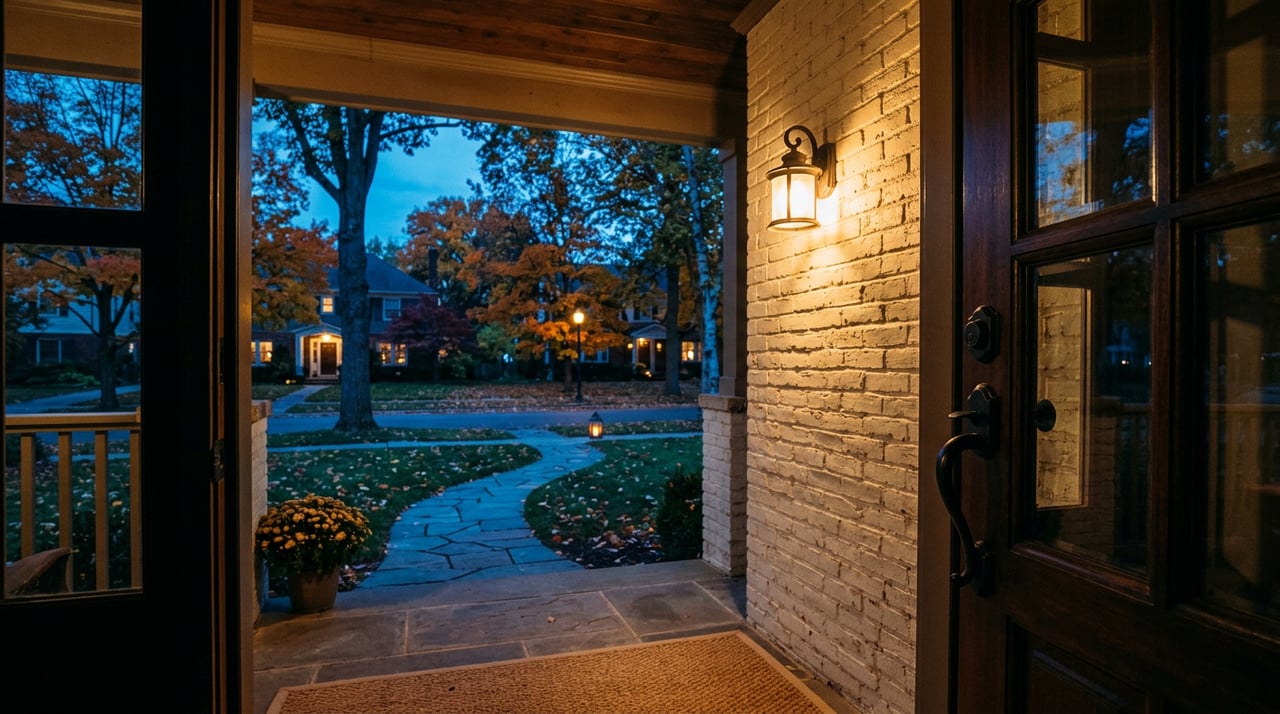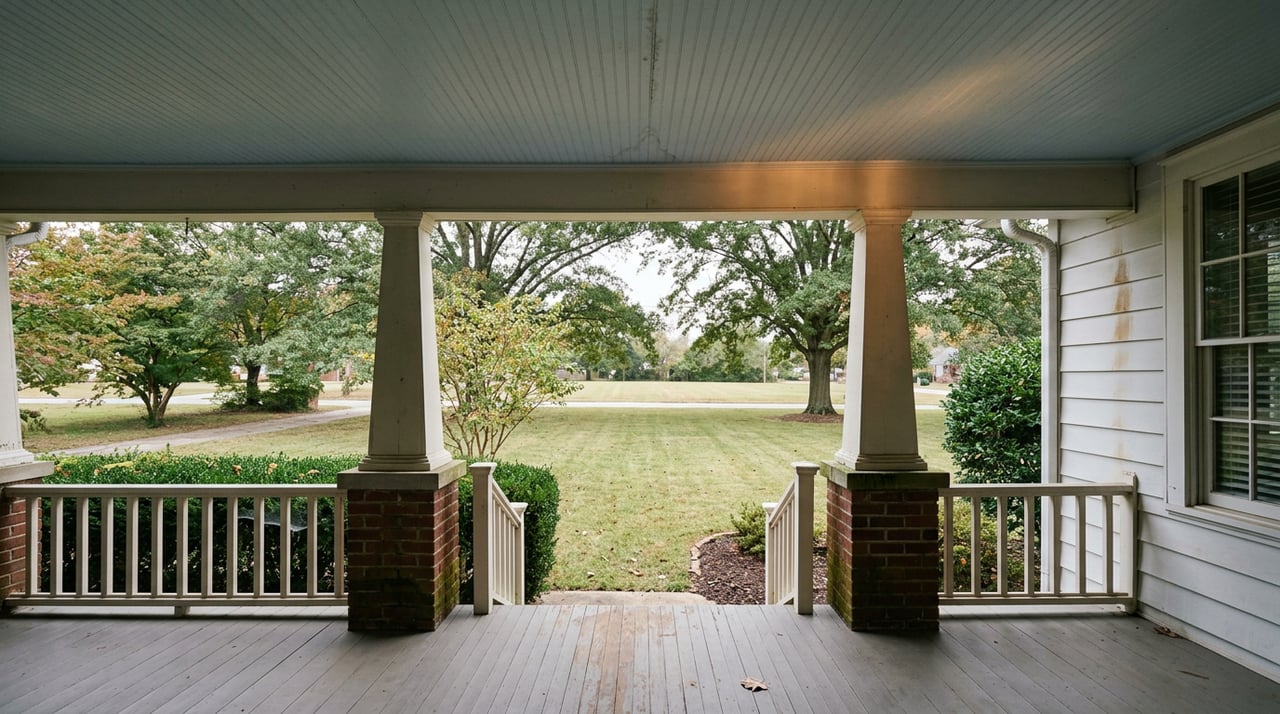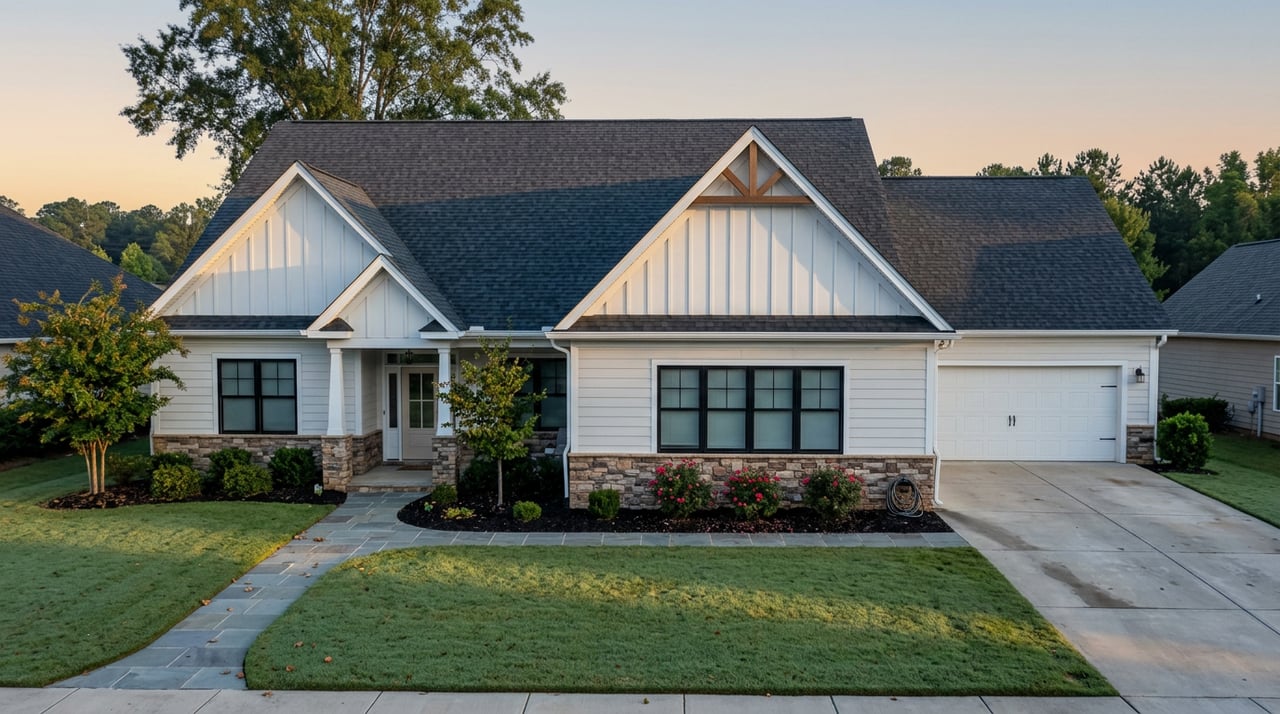
Cary homes sell in six days. Cary homes also sell in fifty-one days. Both numbers come from real market trackers covering the same stretch of 2026, and both are technically true. Neither one tells you anything useful about the house you're actually considering, because "Cary" isn't one market. It's four or five markets wearing the same zip code.
That gap between six days and fifty-one is the tell. A citywide median or a citywide days-on-market figure is an average of neighborhoods that don't behave alike at all. Preston sells like a scarce collectible. Carpenter Village sells like a well-priced starter home. Amberly sells like it's racing the calendar. Blend those together and you get a number that describes nothing.
The number that doesn't mean what it says
Look at four separate 2026 readings on Cary's typical time to sale: roughly six days to pending on one tracker, twenty-two days on another, forty-three days on a third, and fifty-one days on a fourth. That's not measurement error. Each source is sampling a different slice of the same town, and the slices don't move at the same speed.
Here's the part that matters if you're comparing neighborhoods rather than just comparing a citywide stat to your gut feeling: Amberly, specifically, sold in eleven days on average in the three months ending May 2026, tightening from twelve days the year before. That's faster than almost every citywide figure floating around. Meanwhile Preston's country club-adjacent listings have historically moved within days of hitting the market, but there simply aren't many of them to sell, since the neighborhood sits on roughly 2,000 acres that have been largely built out since the golf course opened in 1988. Two different kinds of "fast," for two entirely different reasons: one is genuine demand outrunning supply, the other is scarcity making every listing an event.
Once you see the blend, the citywide number stops being useful and starts being a warning sign. If your agent quotes you the town-wide average, ask which neighborhood it's actually describing.
Preston: paying for scarcity, not square footage
Preston is Cary's name-recognition address, built around Prestonwood Country Club and its 54 holes across three courses. Homes here typically run from $700,000 to $1,200,000 and above, and the neighborhood's real constraint isn't demand, it's inventory. The community is largely full. New construction isn't adding meaningful supply. When something does list, particularly with a golf course view, it tends to move quickly simply because there's no backlog of similar homes competing for the same buyer.
That scarcity cuts both ways. It supports long-term value retention, since there's no wave of new Preston inventory to soften prices the way there can be in a growing subdivision. But it also means a buyer set on Preston specifically should expect to wait for the right listing rather than assume Cary's broader inventory trends apply. Property tax on a $900,000 Preston home runs around $9,400 a year at the combined Wake County and Town of Cary rate, a number worth building into any long-term comparison against a lower-priced neighborhood.
MacGregor Downs: the value tier with a lakefront outlier hiding inside it
MacGregor Downs sits in south-central Cary near Tryon Road and Kildaire Farm Road, and it's routinely described as the best entry price among Cary's established, amenity-rich communities. Typical homes run $450,000 to $800,000, with steady 4 to 6 percent annual appreciation that makes it attractive to buyers building equity rather than chasing prestige. The optional MacGregor Downs Country Club adds golf, pool, and tennis access without folding those costs into HOA dues, which tend to run lower here than in Preston or Amberly.
What the typical price band doesn't show is the lakefront pocket. MacGregor Downs includes genuine waterfront positioning along its namesake lake, and those specific properties can run dramatically higher than the neighborhood's usual range, up into the multi-million-dollar territory more often associated with Preston. A buyer comparing "MacGregor Downs" to "Preston" on price alone is comparing two different things depending on which section of MacGregor Downs they mean. On a $580,000 home here, annual property tax lands around $6,000, which is a meaningful gap against Preston's $9,400 over a decade of ownership.
Amberly: what a shopping center did to a neighborhood's appreciation curve
Amberly is the clearest case in Cary of a single development changing a neighborhood's trajectory. The community spans more than 1,100 acres across eight sub-neighborhoods, with pricing from the mid-$400s to $1.1 million and up. It connects directly to Bond Metro Park and the White Oak Creek Greenway, which matters for buyers who want trail access built into daily life.
But the appreciation story here isn't really about acreage or trails. It's about Fenton, the mixed-use retail district that opened in 2022 with Wegmans, REI Co-op, Arhaus, and a cluster of restaurants including Superica, Colletta, and Living Kitchen. Multiple market trackers point to Fenton's opening as the moment Amberly's demand and appreciation picked up, and the eleven-to-sixteen-day sale pace recorded in 2026 backs that up. This is worth sitting with for a second: a neighborhood's home values didn't move because of a school rezoning or a new highway. They moved because a walkable retail hub opened next door and made everyday life easier for the people already living there. That's a mechanism buyers rarely account for when they're comparing school ratings and square footage, and it's exactly the kind of local shift that can make one master-planned community outperform a nearly identical one a few miles away.
Carpenter Village: the value entry point with one detail that splits buyers
Carpenter Village offers the widest range of the four, from the mid-$400s to over $900,000 depending on property type, with a median list price documented around $527,600. It's built around a genuine sense of community, anchored by the Western Wake Farmers Market, reportedly the only Sunday farmers market in North Carolina, along with recurring neighborhood events that give it a small-town feel inside a larger town.
There's a design quirk here worth knowing before you fall for a listing photo: much of Carpenter Village uses a rear-alley garage layout, where garages sit off a rear alley rather than fronting the street. Some buyers love the resulting streetscape. Others find it operationally inconvenient, particularly if they're used to pulling straight into a front-facing garage. It's the kind of detail that never shows up in listing photos but shapes daily life immediately, so it's worth driving the actual alley before deciding on a specific street.
| Neighborhood | Typical price band | Recent sale pace | Defining anchor |
|---|---|---|---|
| Preston | $700K to $1.2M+ | Moves within days, but rarely lists | Prestonwood Country Club, 54 holes, established 1988 |
| MacGregor Downs | $450K to $800K (lakefront estates run higher) | Steady, 4 to 6 percent annual appreciation | MacGregor Downs Country Club and lakefront positioning |
| Amberly | Mid-$400s to $1.1M+ | 11 to 16 days, three months ending May 2026 | Fenton retail district, opened 2022 |
| Carpenter Village | Mid-$400s to $900K, median list ~$527,600 | Consistent, entry-tier absorption | Western Wake Farmers Market and rear-alley streetscape |
The citywide days-on-market figure isn't wrong. It's just describing four different markets as if they were one, and the average of "eleven days" and "sold within days of a rare listing" doesn't mean much to a buyer standing in front of one specific house.
What this changes about how you compare neighborhoods
- Don't anchor on the citywide median or DOM figure. Ask what the specific neighborhood's numbers have looked like over the last quarter, not the town's.
- If you're drawn to Preston, plan for a wait rather than a fast search. Scarcity, not softening demand, is what you're up against.
- If MacGregor Downs is on your list, clarify early whether you're looking at the typical price band or the lakefront pocket. They're not the same conversation.
- If Amberly's appreciation curve is part of your reasoning, understand that Fenton is doing real work in that number. A similar master-planned community without a comparable retail anchor won't necessarily follow the same curve.
- If Carpenter Village's value pulls you in, drive the rear alleys on the specific street you're considering before you commit to it emotionally.
FAQ
Are these the only neighborhoods worth comparing in Cary? No. Cary includes other established and newer communities such as Lochmere and the West Cary corridor, each with its own pricing and pace. Preston, MacGregor Downs, Amberly, and Carpenter Village simply illustrate how differently four well-known Cary communities can behave under one citywide statistic.
Does country club membership come with the HOA in Preston or MacGregor Downs? No. In both neighborhoods, HOA dues cover common areas and neighborhood upkeep, while country club membership is a separate, optional cost with its own fee structure.
Is a $580,000 MacGregor Downs home really cheaper to own long-term than a similarly priced Amberly home? Property tax alone won't tell the whole story, but the combined Wake County and Town of Cary rate means a $580,000 MacGregor Downs home runs roughly $6,000 a year in tax, a useful anchor point when comparing carrying costs across neighborhoods at similar price points.
Should I expect the fast Amberly sale pace to hold? Sale pace tracks demand at a point in time, and Amberly's recent pace reflects strong, sustained interest tied partly to Fenton's continued draw. Market conditions shift, so it's worth checking current activity in the specific sub-neighborhood you're considering rather than relying on a single season's figure.
If you're weighing these four neighborhoods against each other, or trying to figure out which one actually fits your budget and daily life rather than just the headline price, Greenwood Residential can walk you through the current listings in each and help you compare them on the numbers that actually apply to your search. And if you're on the other side of this, wondering what your current Cary home might be worth in today's market, we'll put together a free home valuation so you know exactly where you stand.