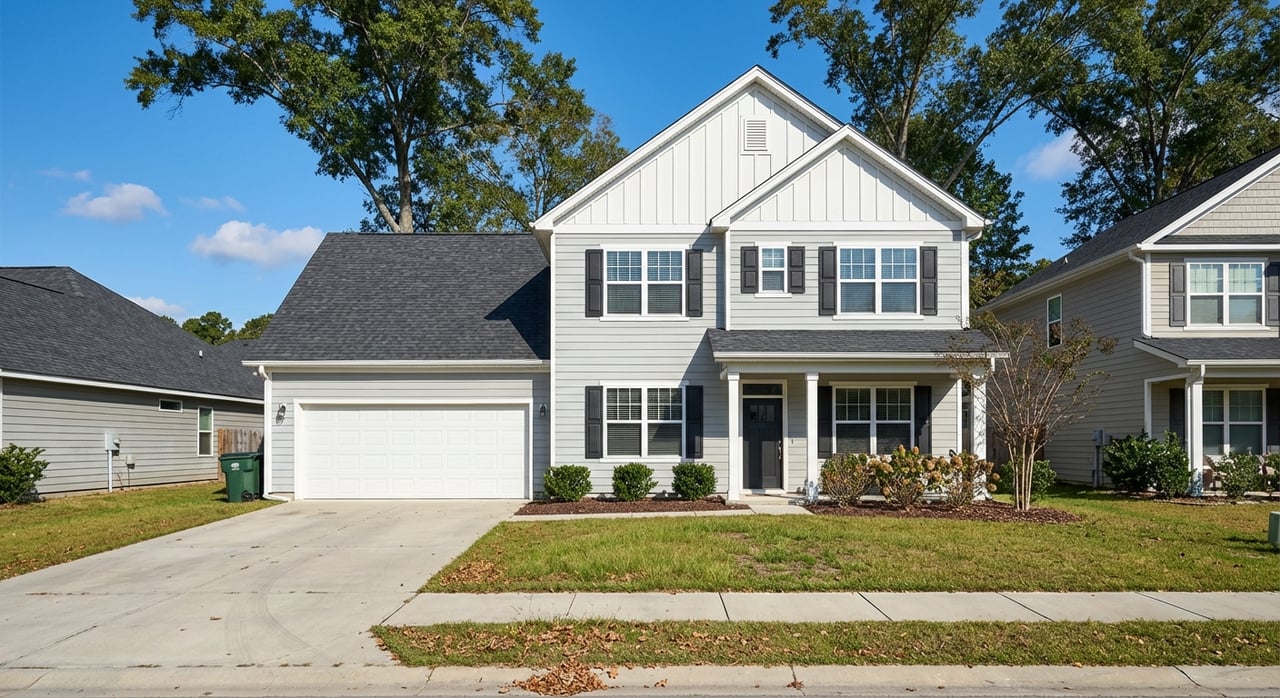
You want a clear picture of how Chapel Hill neighborhoods line up with public schools, commute times, and day-to-day living. If you’re moving with kids or planning for the future, it can feel like a lot to juggle. This guide gives you a practical, research-backed overview of Chapel Hill–Carrboro City Schools (CHCCS), neighborhood patterns, program options, and what to watch in 2026. You’ll also see how to verify any address, so you can plan with confidence. Let’s dive in.
Confirm your assigned school first
Before you compare neighborhoods, verify the schools tied to any specific address.
- Use the CHCCS interactive School Assignment Map to check exact zoning by address. The district’s map is the authority for school assignments. Open the CHCCS School Assignment Map.
- Review school snapshots through the district’s School Data Profiles, which also link to the NC School Report Cards for state-reported proficiency and growth data. View CHCCS School Data Profiles.
- Understand magnet and dual-language seats. CHCCS runs lottery-based Spanish-English programs and a Mandarin option at specific sites. Transportation is coordinated for program students. See CHCCS Dual-Language Programs.
- Stay current on redistricting. As of February 2026, the district is weighing elementary-school closures and a full redistricting review. That can change which schools serve a given neighborhood. Read Axios coverage of the review.
Chapel Hill at a glance
- School system size. CHCCS operates about 20 schools and serves just over 11,000 students. You can find enrollment and performance context through the district’s profiles. Browse CHCCS profiles and data.
- Commute context. The town’s mean travel time to work is about 19.6 minutes, and many neighborhoods see 20 to 30 minutes to Research Triangle Park in typical traffic. See Census QuickFacts.
- Market snapshot. Multiple data sources show Chapel Hill’s typical home values in the mid 500s to mid 600s as of early 2026, with central planned communities often commanding a premium. Always date-check your source at offer time. View Zillow’s Chapel Hill Home Value Index.
Neighborhood-by-neighborhood guide
Use these summaries to create your shortlist. For each area, verify assignments by address using the CHCCS map noted above.
Southern Village
- Typical public feeders often cited: Mary Scroggs Elementary, Culbreth Middle, Carrboro High (confirm by address).
- Housing & vibe: Planned “village” layout with single-family homes, townhomes, a central green, and shops. Prices commonly sit above the town median due to location and amenities. Learn more background in the community’s overview. Read about Southern Village.
- Commute & access: About 5 to 10 minutes to UNC’s main campus. Walkable to a movie theater, eateries, and a community pool.
- Pros for families:
- Walkable center with everyday conveniences
- Short trips to UNC and hospitals
- Active neighborhood events
- Considerations:
- Premium pricing versus older nearby areas
- Redistricting could adjust exact school lines
Meadowmont
- Typical public feeders often cited: Rashkis Elementary, Culbreth Middle, East Chapel Hill High (confirm by address).
- Housing & vibe: Master-planned community with cottages, townhomes, and single-family homes. Village center, trails, and parks provide a suburban feel within town. Prices are often above the Chapel Hill median.
- Commute & access: Roughly 6 to 10 minutes to UNC; quick access to I‑40 for regional trips.
- Pros for families:
- Sidewalks, trails, and pocket parks
- Proximity to UNC and shopping corridors
- Consistent neighborhood amenities
- Considerations:
- Higher price points in many sections
- Some edges may map differently, so verify each address
Downtown and UNC-area (Franklin Street, Franklin–Rosemary, Gimghoul)
- School notes: Central blocks can feed different schools depending on the exact address. Family-oriented housing is more limited amid student rentals.
- Housing & vibe: Historic streets, restaurants, arts, and Tar Heel athletics right outside your door. Very walkable and lively.
- Commute & access: Minimal to campus; frequent bus routes and short bike trips are common.
- Pros for families:
- Walkable to culture, dining, and events
- Strong transit and bike options
- Unique historic character
- Considerations:
- Fewer family-sized homes available
- Older housing stock that may need updates
- Parking can be tight near campus
- Explore the core area map and highlights. Visit Chapel Hill neighborhoods guide.
Northside and Carrboro-adjacent historic areas
- School notes: Assignments vary by block and often include Phillips Middle and Chapel Hill or Carrboro high schools. Verify each property.
- Housing & vibe: Older single-family homes with strong neighborhood identity. Offers a range of price points and architectural styles.
- Commute & access: Close to downtown Chapel Hill and Carrboro, with quick access to local shops, coffee, and restaurants.
- Pros for families:
- Character homes and mature trees
- Relative value compared with some planned communities
- Easy access to both Chapel Hill and Carrboro centers
- Considerations:
- Parking and lot sizes vary
- Renovation needs are common in older stock
West Chapel Hill (Coker Hills, Pine Knolls, The Oaks)
- School notes: Many west-side blocks feed Estes Hills or nearby elementary schools, Phillips Middle, and either East Chapel Hill High or Chapel Hill High depending on location. Confirm by address.
- Housing & vibe: Established mid-century and 1970s neighborhoods, often with larger lots and mature landscaping.
- Commute & access: Quick trips to MLK/Estes corridors, with straightforward access toward I‑40 and the UNC campus.
- Pros for families:
- Larger lots and established trees
- Variety of home sizes across streets
- Central-west location for errands and transit
- Considerations:
- Homes may need cosmetic or systems updates
- School lines can change with redistricting
University Lakes and Mount Carmel corridor
- School notes: Mixed assignments in this corridor, with many pockets mapping to Chapel Hill High. Address-level verification is essential.
- Housing & vibe: Mix of student rentals and family homes. Access to green space and water is a draw.
- Commute & access: Close to campus and 15‑501, with a short drive to grocery and daily needs.
- Pros for families:
- Access to outdoor recreation
- Range of home types
- Proximity to UNC and central Chapel Hill
- Considerations:
- Mixed housing uses on some streets
- Check parking, noise patterns, and HOA rules as relevant
Newer planned communities on the edges (Winmore, Stoneridge, Briar Chapel area)
- School notes: Some newer developments are inside CHCCS; others fall in neighboring districts or counties. Confirm the district and schools before you tour.
- Housing & vibe: Newer construction with community amenities. Often provides more square footage per dollar than in-town planned neighborhoods.
- Commute & access: Longer drives to downtown Chapel Hill, with tradeoffs in space and price.
- Pros for families:
- Newer homes and neighborhood amenities
- Consistent floor plans and energy features
- Often more space for the budget
- Considerations:
- Longer commute to UNC and central Chapel Hill
- Different districts for some addresses
Program highlights families ask about
- Dual-language options. CHCCS offers Spanish-English programs at Carrboro Elementary and Frank Porter Graham Bilingüe, plus a Mandarin program at Glenwood. Admission is lottery-based, typically at rising kindergarten with limited entry points later. Transportation is coordinated for students in these programs. Learn about CHCCS Dual-Language.
- High school focus areas. Program offerings vary by campus. For example, East Chapel Hill High hosts a Social Justice Academy that blends core academics with civic engagement themes. See the Social Justice Academy overview.
How to read NC School Report Cards
When you look at school data, two terms matter:
- Proficiency shows the share of students meeting grade-level standards on state tests. It is a point-in-time snapshot.
- Growth reflects year-over-year academic progress compared with expected benchmarks. A school can show strong growth even if proficiency is still catching up.
CHCCS’ School Data Profiles link directly to each school’s NC Report Card page, where you can view both measures along with demographics and course offerings. Use those pages to compare multiple schools while keeping neighborhood fit, commute, and housing needs in mind. Open CHCCS School Data Profiles.
Commute and housing tradeoffs to consider
- Commute balance. Chapel Hill’s mean travel time is about 19.6 minutes, and many neighborhoods see 20 to 30 minutes to RTP in normal conditions. Try routing tools during your actual commute hours for a real-world check. See Census commute context.
- Price versus convenience. Central, planned communities like Southern Village and Meadowmont often command higher prices for walkability and amenities. Older neighborhoods may offer more attainable entry points with larger lots, but fewer on-site amenities.
- Market timing. As of early 2026, typical values fall in the mid 500s to mid 600s, but neighborhood-level pricing varies widely. Always confirm current comps before you write an offer. View Zillow’s Chapel Hill value index.
- Policy shifts. UNC and the Town are working on housing and land-use changes that could influence supply near campus over time. Keep an eye on local planning updates.
Private-school options nearby
Many families compare public and private options in the broader Triangle. Area schools often considered include Emerson Waldorf (Chapel Hill), Carolina Friends School (Durham), and Trinity School of Durham & Chapel Hill. Explore philosophies, grade spans, and transportation before you tour. Learn about Emerson Waldorf.
Final thoughts
Chapel Hill offers a rare mix of university energy, established neighborhoods, and thoughtful planned communities. Because CHCCS is actively reviewing redistricting and potential elementary consolidations in 2026, always verify address-level school assignments and stay current on district updates. Then weigh commute, home type, and community feel to choose the right fit for your family.
If you want a local sounding board and fast, data-backed guidance while you tour, reach out to Rachel Greenwood. Our team helps you compare neighborhoods, confirm school zoning, and move with confidence.
FAQs
How do I check which public school serves a Chapel Hill address?
- Use the CHCCS interactive School Assignment Map to look up the exact elementary, middle, and high school for any address, then cross-check with the school’s profile. CHCCS School Assignment Map
What is happening with CHCCS redistricting in 2026?
- The district is publicly considering up to two elementary closures and a full redistricting process, so confirm zones before you buy and follow board updates. Axios summary of the review
How do CHCCS dual-language lotteries work for new students?
- Dual-language seats are lottery-based, typically at rising kindergarten, with transportation coordinated for enrolled students; see program pages for dates and details. CHCCS Dual-Language Programs
Where can I find objective school performance data for Chapel Hill?
- Start with CHCCS School Data Profiles, which link to each school’s NC School Report Card for proficiency and growth metrics plus demographics. CHCCS School Data Profiles
What are typical Chapel Hill home values right now?
- As of early 2026, sources show values in the mid 500s to mid 600s town-wide, with premiums in central planned communities; always verify current comps. Zillow’s Chapel Hill value index
How long is the commute from Chapel Hill to RTP?
- Many Chapel Hill neighborhoods see 20 to 30 minutes in typical traffic; confirm with live routing during your commute hours. Census commute context